

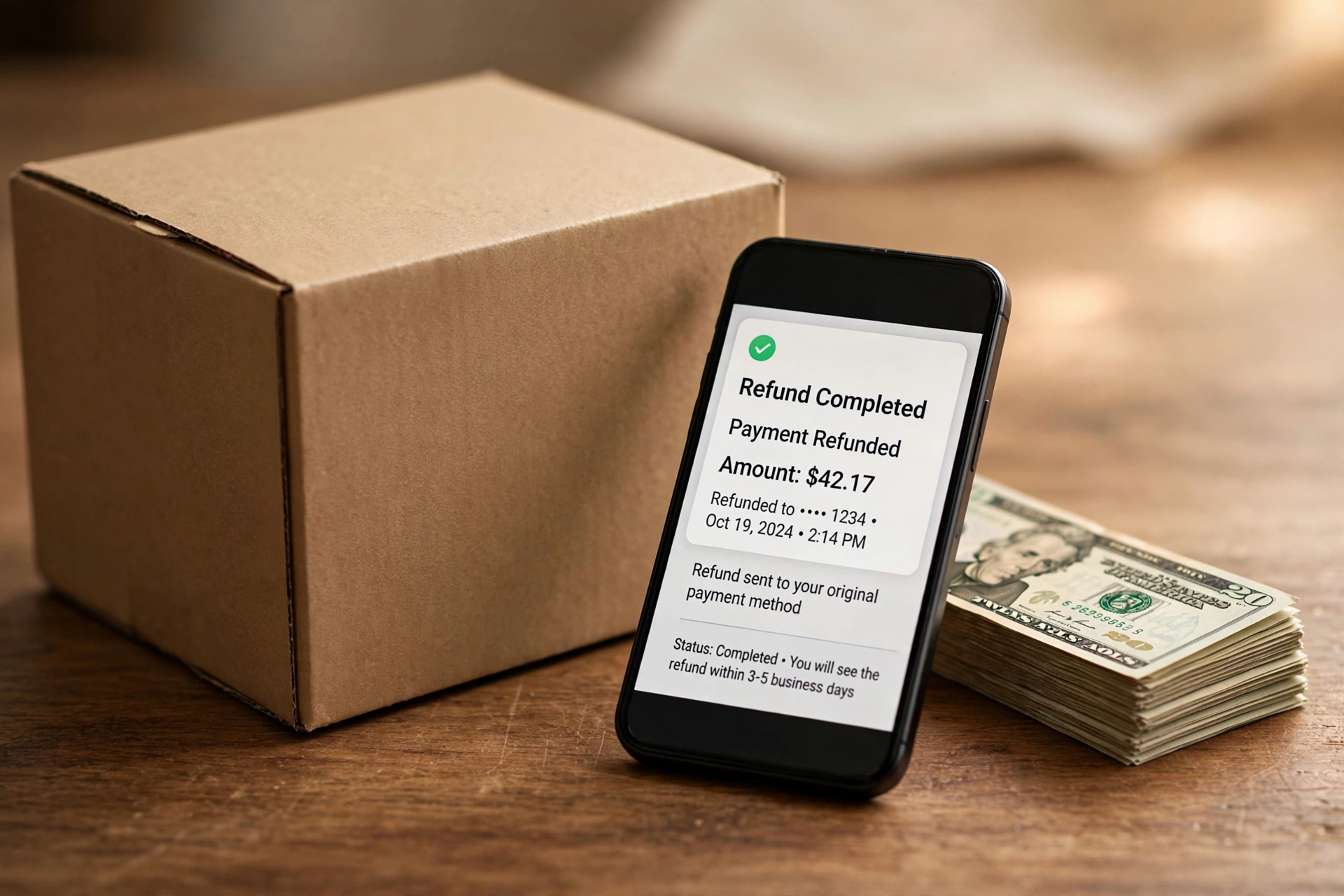
Amazon settlement payment refunds are expanding again in 2026. If you were an Amazon Prime member at any point in recent years, a bigger refund may be headed your way. On September 17, 2026, the Federal Trade Commission announced a major expansion of the Amazon Prime settlement: eligible consumers can now receive up to $200 each — nearly four times the $51 maximum paid in the earlier round — and the money will go out automatically, starting October 1, 2026, with no claim form to fill in.
The expansion pours new money into the landmark $2.5 billion settlement the FTC reached with Amazon over allegations that the company signed shoppers up for Prime without their clear consent and then made it deliberately difficult to cancel. According to the agency, $845 million has already been paid to consumers in earlier rounds. This new phase sends significantly more money to the people the FTC says were harmed by Amazon’s enrollment and cancellation practices.
The best part for consumers is how effortless this will be. If you qualify, you do not need to file a claim, visit a website, or share personal information. The settlement administrator will identify eligible consumers from Amazon’s own records and send payments automatically through PayPal, Venmo, or a mailed paper check. The one thing you must do is stay vigilant: refund announcements like this are prime bait for scammers, and the FTC warns that fraudsters are already circling. Here is everything you need to know about the expanded Amazon settlement payment.
Key Facts: The Expanded Amazon Settlement at a Glance
- Announced: The FTC expanded the Amazon settlement on September 17, 2026.
- Maximum payment: Up to $200 per eligible consumer, up from $51.
- Payments begin: Automatic payments start October 1, 2026.
- No claim required: Eligible consumers are identified from Amazon’s records and paid automatically.
- Payment methods: PayPal, Venmo, or a mailed paper check.
- Total settlement: $2.5 billion, with $845 million already paid to consumers in earlier rounds.
- Who is covered: U.S. consumers enrolled in Prime during the period covered by the settlement.
- Scam alert: The FTC will never ask you to pay a fee, click a link, or share bank details to receive your refund.
What Is the Amazon Settlement?
The Amazon settlement resolves a lawsuit the Federal Trade Commission filed against Amazon in 2023. The agency accused the company of using deceptive design tactics — sometimes called “dark patterns” — to enroll millions of shoppers in Amazon Prime without their informed consent. According to the FTC, checkout pages nudged customers toward Prime with confusing buttons and fine print, and shoppers who tried to cancel ran into a maze of screens designed to wear them down and change their minds.
The case ended in a $2.5 billion agreement, one of the largest consumer-protection settlements in the FTC’s history. The money was divided between civil penalties and a dedicated fund for consumer refunds. Amazon also agreed to overhaul how it presents Prime enrollment and to make cancellation straightforward — changes regulators said were long overdue in the subscription economy.
For consumers, the settlement was an acknowledgment of something many shoppers had felt for years: that signing up for Prime was easy and canceling it was anything but. The FTC’s complaint described enrollment flows that obscured the true cost of Prime and cancellation processes that demanded far more effort than signing up ever did. Refunds from the first rounds of payments — totaling $845 million so far — have already reached millions of households.
What’s New: The September 2026 Expansion
On September 17, 2026, the FTC announced that the settlement was growing. Additional funds were made available for consumer refunds, and the agency raised the ceiling on individual payments dramatically: where the earlier round capped payments at $51 per person, eligible consumers in the expanded round can now receive up to $200 each.
That jump matters because $51 barely covered a few months of a Prime membership for many households, while $200 comes much closer to making consumers whole for fees the FTC says they never clearly agreed to pay. The agency framed the expansion as a course correction — an effort to make sure the redress actually reflects the harm, rather than spreading the original fund so thin that individual payments felt symbolic.
The second headline change is procedural but just as important: this round is fully automatic. The settlement administrator will pull eligibility directly from Amazon’s enrollment and billing records and push payments out beginning October 1, 2026. There is no claims website to visit, no deadline to remember, and no paperwork to complete. If the records show you qualify, the money comes to you.
Amazon Settlement Payment Eligibility: Who Gets Paid?
The expanded payments are aimed at U.S. consumers who were enrolled in Amazon Prime during the period covered by the FTC’s case and who paid Prime membership fees. In practice, that means people who were signed up for Prime — whether intentionally or not — and were charged for it.
You may be eligible if any of these sound familiar:
- You enrolled in Prime during Amazon checkout and did not realize you had signed up for a paid membership.
- You were charged for Prime after a free trial you did not mean to convert into a paid plan.
- You tried to cancel Prime and found the process confusing, time-consuming, or designed to talk you out of it.
- You paid Prime membership fees during the years covered by the settlement.
Eligibility is determined from Amazon’s own enrollment and billing records — not from anything you submit. The settlement administrator matches those records against the criteria approved in the settlement, which means there is nothing to prove on your end and no way to apply your way in if the records do not show you qualify. The FTC has emphasized that consumers should not pay anyone who promises to secure or increase their payment; eligibility is automatic and free.
When Will the Amazon Settlement Payments Arrive?
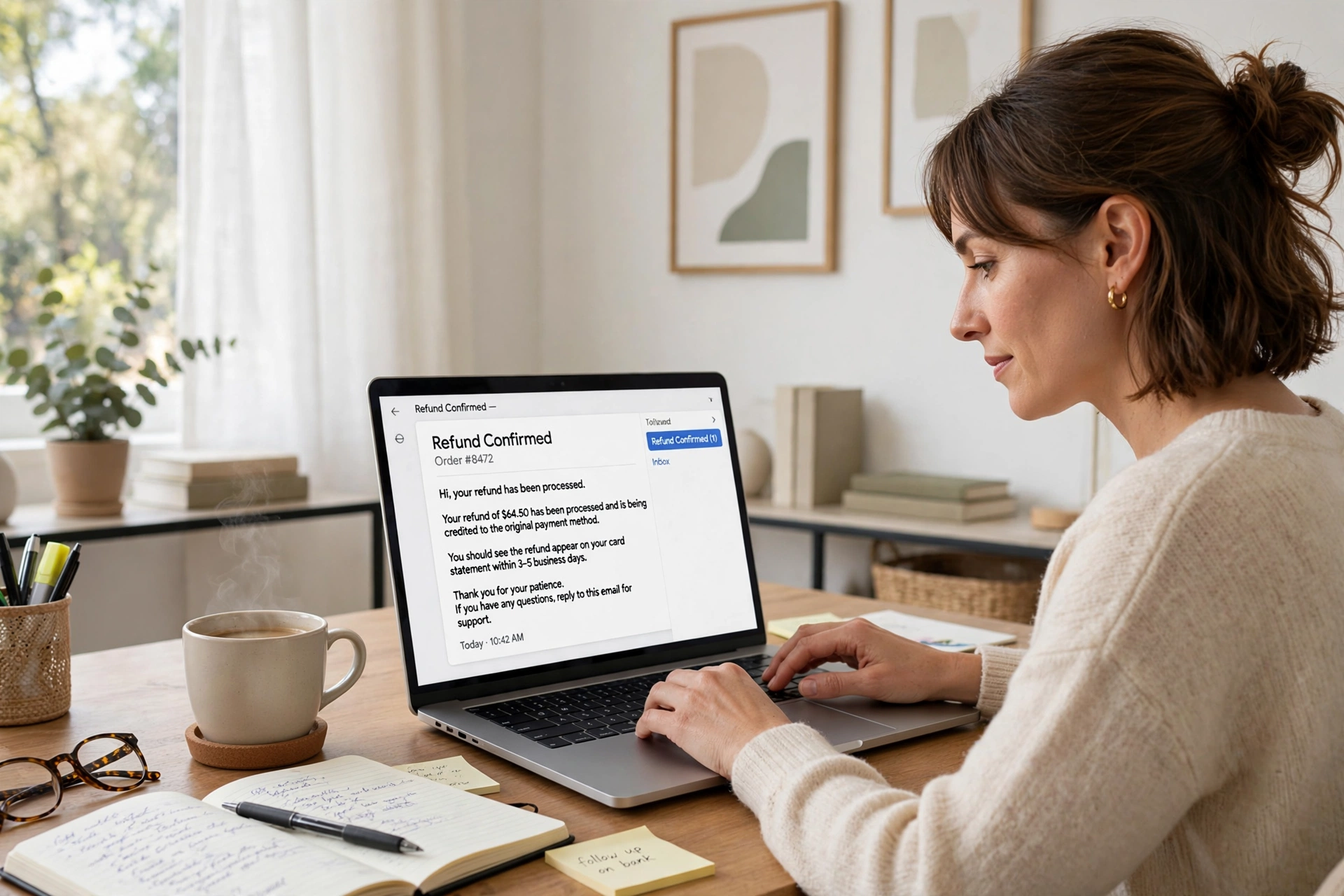
Automatic payments begin on October 1, 2026. They will not all land on the same day: the settlement administrator is sending them out in waves over the following weeks, so some consumers will see money in early October while others may wait until later in the month or beyond.
How you receive the payment affects the timing. Electronic payments through PayPal or Venmo are typically the fastest — they can arrive within days of being issued. Mailed paper checks take longer depending on postal delivery, and you should allow several additional weeks if a check is coming your way.
To avoid delays, make sure the contact and payment details associated with your Amazon account are current, and keep an eye on the email address linked to your PayPal or Venmo account. If you have moved recently, a mailed check will go to the address on file, so check whether your mail forwarding is up to date. And remember: the administrator will never ask you to “confirm” your address or payment details through a link in a text or email — that is a hallmark of the scams described below.
How Much Money Could You Get?
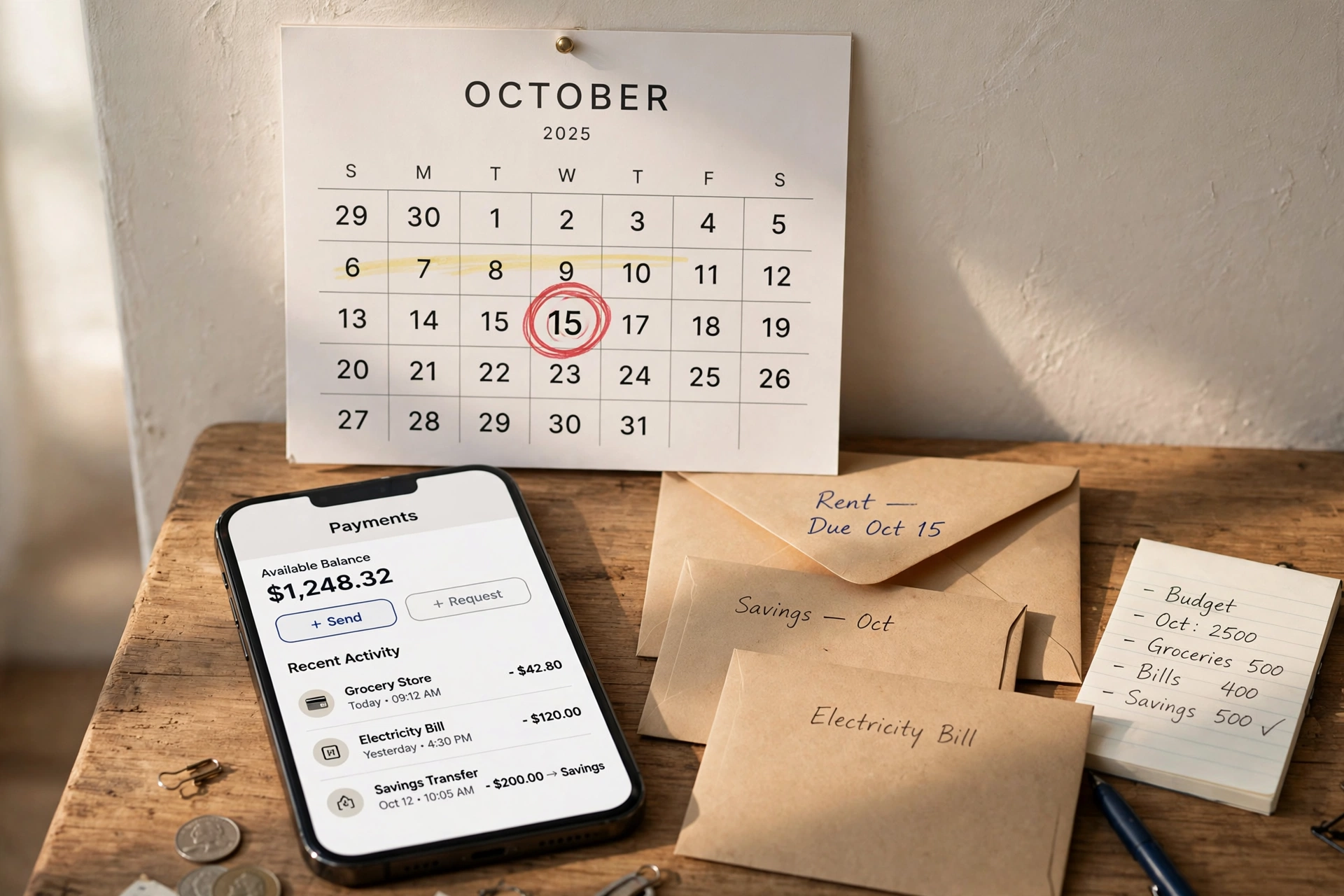
The headline number is up to $200 per eligible consumer — nearly quadruple the $51 maximum from the earlier round. That figure is a ceiling, not a guarantee: the exact amount each person receives depends on how many consumers qualify and how the expanded fund is divided among them.
In broad terms, the more eligible consumers there are, the further the fund has to stretch. The FTC raised the cap precisely because additional money was made available, but if very large numbers of people qualify, individual payments could still come in below the $200 maximum. Conversely, if you paid Prime fees over multiple years or were charged for memberships you never wanted, you are among the consumers this expansion was designed to help most.
One comparison is useful: the earlier $51 payments reflected the original fund divided across a huge pool of recipients. The September 2026 expansion was the FTC’s answer to criticism that those payments were too small relative to what consumers had paid. While $200 will not erase every frustration with Prime’s enrollment maze, it is a meaningful step toward making consumers whole — and it arrives without any effort on your part.
Do You Need to File a Claim for the Amazon Settlement Payment?
No. This is the single most important thing to understand about the expanded round: there is no claim to file. The settlement administrator identifies eligible consumers directly from Amazon’s records and issues payments automatically. If you qualify, the money will come to you via PayPal, Venmo, or mailed check without any action on your part.
That “no action required” design is deliberate. Claims processes historically leave money on the table because many eligible people never hear about the deadline or never get around to the paperwork. By making this round automatic, the FTC ensured the expanded funds actually reach consumers instead of going unclaimed.
If October passes and you believe you were eligible but received nothing, do not panic — payments go out in waves over several weeks. If a longer period passes, your recourse is to contact the settlement administrator through the official contact information published on the FTC’s website (ftc.gov), not through any link sent to you by text, email, or social media. Never pay a third party that offers to “help” you claim your payment; legitimate refunds under this settlement are always free.
How to Spot Amazon Settlement Refund Scams
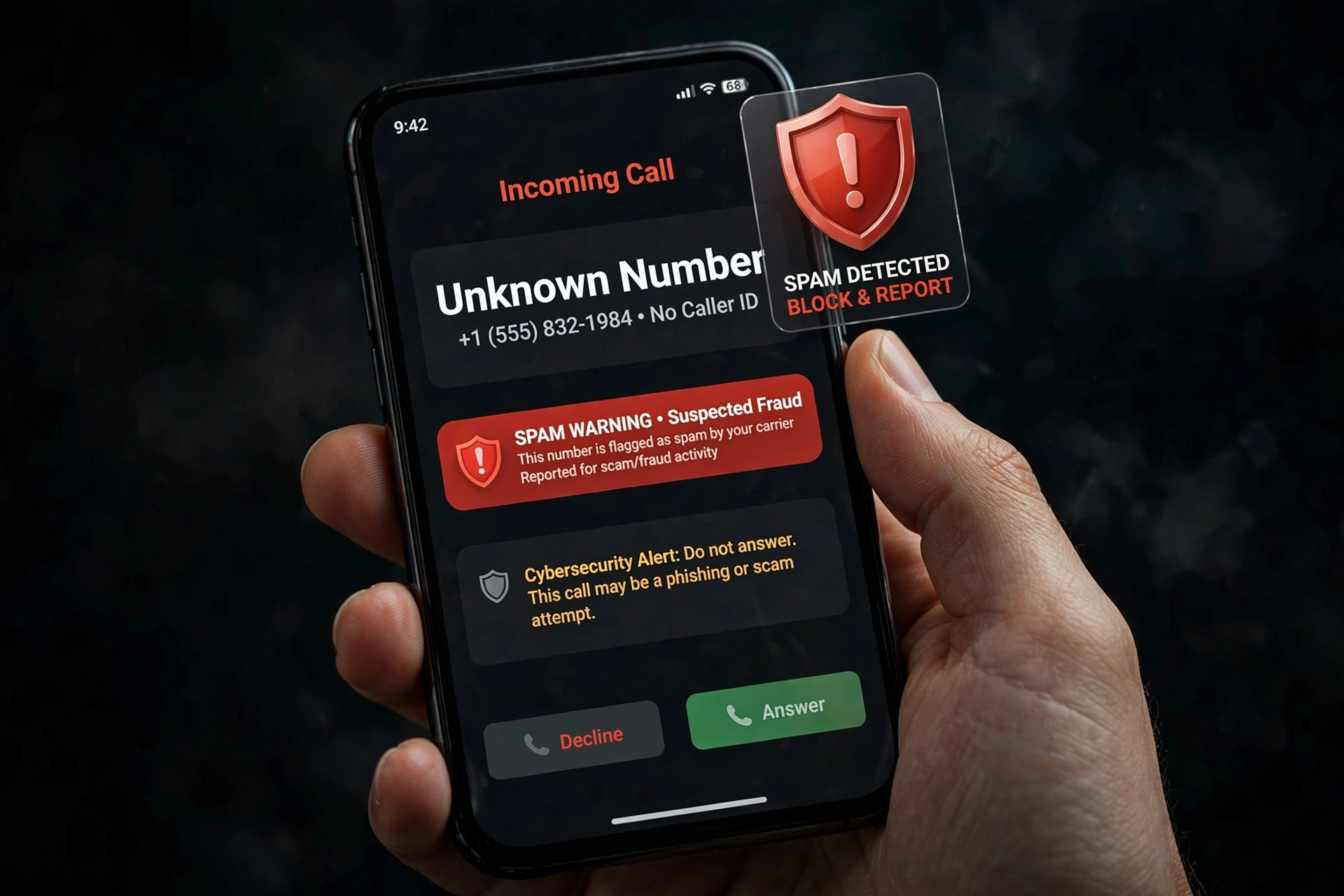
Every major refund announcement triggers a wave of fraud, and the FTC says this settlement is no exception. Scammers impersonate the FTC, Amazon, or the settlement administrator, contacting consumers by text, email, phone, or social media with urgent messages about “claiming” their refund before a deadline.
Watch for these red flags:
- You are asked to pay a fee, buy a gift card, or wire money to “release” your refund. Real refunds never require payment.
- You are told to click a link or download an attachment to claim your money. The automatic payments require no links.
- The message creates urgency — “act in 24 hours or lose your refund.”
- You are asked for bank account numbers, passwords, or Social Security numbers.
- The sender’s email address or URL looks slightly off, with misspellings, extra words, or unofficial domains.
If you are targeted, do not engage. Do not click, do not reply, and do not share information. You can report the attempt to the FTC at ReportFraud.ftc.gov and forward suspicious texts to 7726 (SPAM). Remember the core rule: because this round is fully automatic, anyone asking you to take action to receive your Amazon settlement payment is, by definition, a scammer.
Why the FTC Case Against Amazon Matters
Beyond the checks themselves, the case has become a landmark in the fight against “dark patterns” — interface designs that manipulate users into choices they would not otherwise make. Regulators in the United States and abroad have pointed to Amazon’s Prime enrollment and cancellation flows as a textbook example of how powerful companies can turn the humble checkout page into a subscription trap.
The $2.5 billion price tag also sent a message across the subscription economy. Streaming services, apps, gyms, and retailers all rely on recurring billing, and the FTC has made clear that obscuring enrollment terms or building mazes around the cancel button invites enforcement. Several companies revised their own signup and cancellation flows after the Amazon case was filed — a quiet ripple effect that may have saved consumers far more than the settlement itself.
For Amazon, the settlement also came with forward-looking obligations to simplify Prime enrollment disclosures and cancellation. Whether those changes stick in the long term will depend on continued oversight, but the September 2026 expansion shows the FTC is still watching — and still willing to push for more money when it believes consumers were shortchanged.
Frequently Asked Questions About the Amazon Settlement Payment
Do I need to file a claim to get the Amazon settlement payment?
No. Payments in the expanded round are fully automatic. The settlement administrator identifies eligible consumers from Amazon’s enrollment and billing records and sends payments via PayPal, Venmo, or mailed check starting October 1, 2026. Anyone asking you to file a claim, click a link, or pay a fee is running a scam.
How much money will I receive from the Amazon settlement?
Eligible consumers can receive up to $200 each — up from the $51 maximum in the earlier round. The exact amount depends on the size of the expanded fund and the number of people who qualify, so some consumers may receive less than the maximum.
When will the Amazon settlement payments arrive?
Automatic payments begin October 1, 2026, and go out in waves over several weeks. Electronic payments via PayPal or Venmo typically arrive fastest; mailed paper checks take longer. If you have not received anything after several weeks, check that your contact details are current before contacting the settlement administrator through ftc.gov.
How will my Amazon settlement payment be sent?
Through PayPal, Venmo, or a mailed paper check, based on the information in Amazon’s records. You do not need to choose a method or provide new payment details — and you should be deeply suspicious of anyone who asks you to.
Is the Amazon settlement payment legitimate or a scam?
The settlement itself is legitimate — it stems from the FTC’s real $2.5 billion case against Amazon, expanded on September 17, 2026. But scammers are exploiting the news with fake messages urging you to “claim” your refund. The legitimate payments are automatic and free; any message demanding action, payment, or personal information is fraud.
The Bottom Line on the Amazon Settlement Payment
The September 17, 2026 expansion turned an already historic settlement into a meaningfully better deal for consumers: up to $200 per eligible person, paid automatically starting October 1, 2026, from a $2.5 billion settlement that has already returned $845 million to shoppers. If Amazon’s Prime enrollment maze caught you, the FTC’s message is simple — you do not need to do anything except watch for your payment.
Just remember the two rules that protect you: never pay to receive a refund, and never click a link to claim one. With those in mind, the expanded Amazon settlement payment is as close to free money as consumer protection gets — and this time, it actually shows up on its own.