

The kratom Ole Miss deaths are raising urgent questions across Mississippi and beyond. On Monday, September 21, 2026, two University of Mississippi students were found dead in separate incidents in Oxford, Mississippi — and packaged kratom was discovered at both locations. Law enforcement officials have been explicit: there is currently no confirmed evidence linking kratom, or any other substance, to either death. Autopsies and toxicology results are still pending.
Yet the story of the kratom Ole Miss deaths has quickly become one of the most searched topics in the United States, because kratom is a substance that millions of Americans can buy easily, and federal health agencies have been warning about its dangers for years. This guide lays out what happened at Ole Miss, what kratom is, what the science says about its risks, where it stands legally in 2026, and what officials want students and the public to know.
Key facts
- Two University of Mississippi (Ole Miss) students — an 18-year-old male found in his dorm and a 20-year-old male found at his off-campus home — were found dead on Monday, September 21, 2026, in Oxford, Mississippi.
- Packaged kratom was found at both locations, according to a statement from Lafayette County Metro Narcotics shared by the Oxford Police Department (reported September 22, 2026).
- The students’ names have not been publicly released, and the two deaths are being treated as separate incidents.
- Law enforcement says there is no confirmed evidence linking kratom or any other substance as a contributing factor in either case.
- Autopsies and toxicology results are pending and may take 2–3 weeks.
- More than 30 Mississippi counties — including Lafayette County, where Oxford is located — have enacted restrictions or bans on kratom, even though it remains legally sold to people 21 and older in much of the state.
The Kratom Ole Miss Deaths: What Happened on September 21, 2026

On September 21, 2026, Oxford police responded to two separate calls about unresponsive University of Mississippi students. An 18-year-old male was found dead in his dorm room on campus. A 20-year-old male was found dead at his off-campus home. The names of the two students have not been released.
The connection that brought the cases national attention emerged the next day. On September 22, 2026, the Oxford Police Department shared a statement from Lafayette County Metro Narcotics revealing that packaged kratom had been found at both locations. But investigators drew a firm line between the substance being present and the substance being responsible: there is no confirmed evidence linking kratom or any other substance as a contributing factor in either death. The two cases remain separate investigations, and autopsies and toxicology results — which could take two to three weeks — are pending.
The story was reported by local media on September 22, including a detailed account from 977 The Brew covering the police statement. As the news spread, social media rumors began circulating about additional student deaths — rumors the university directly addressed.
Shawnboda Mead, the university’s vice-chancellor for student affairs, expressed condolences to the families and the campus community. She said the university is not aware of any additional student deaths despite the rumors online, and she urged people to avoid speculation while the investigations continue. Campus support resources were made available to students coping with the news.
What Is Kratom? (Mitragyna Speciosa Explained)
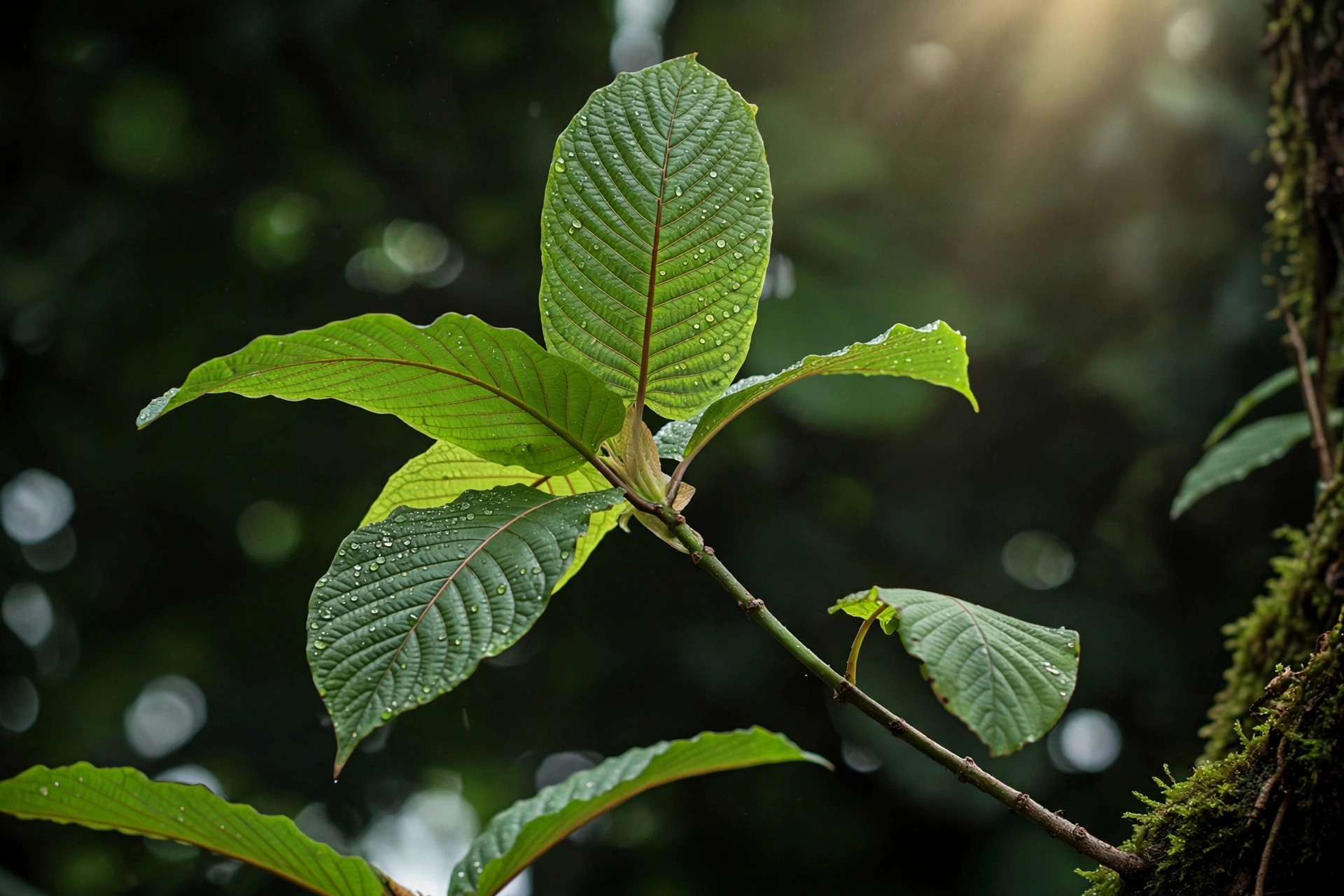
Kratom (Mitragyna speciosa) is a tropical tree native to Southeast Asia, part of the coffee family. For centuries, laborers in Thailand, Malaysia, and Indonesia chewed its fresh leaves or brewed them as tea to fight fatigue. In the United States today, kratom is sold in very different forms: fine green powders, capsules, bottled teas, liquid shots, gummies, and concentrated extracts.
Kratom’s effects come mainly from two alkaloids in its leaves: mitragynine and 7-hydroxymitragynine (often shortened to 7-OH). At low doses, kratom acts as a stimulant, producing alertness and energy. At higher doses, it acts more like an opioid, producing pain relief, sedation, and euphoria. That dual personality is one reason it has attracted both enthusiastic users and serious regulatory concern.
In recent years the American market has shifted well beyond the simple leaf products of the past. Gas stations, convenience stores, vape shops, and online retailers now sell highly concentrated kratom extracts and products spiked with isolated 7-OH — far more potent than the natural leaf. In June 2024, researchers from the University of Florida and Johns Hopkins cautioned that 7-OH isolates are not present in native kratom leaf material and may cause emergency reactions.
Related reading: If substance use is affecting you or someone you love, our Suicide Prevention Awareness Month 2026 guide shares quotes, messages, and practical ways to support a loved one.
Why Do People Use Kratom?
People turn to kratom for many reasons: as an energy or focus aid, to ease chronic pain, or to manage anxiety and mood. A significant share of users report taking kratom to self-treat opioid withdrawal or to cut back on opioids — a use health agencies have not approved and have explicitly warned against.
Because kratom is widely available without a prescription and marketed as a “natural” herbal product, many buyers assume it is safe. In reality, federal agencies stress that “natural” does not mean harmless, and kratom’s safety profile is far from established.
The “gas station heroin” nickname
You may have heard kratom called “gas station heroin.” The nickname comes from two things: how and where it is sold, and how it acts. Kratom products sit on the counters and shelves of gas stations and convenience stores next to energy shots and supplements, making them trivially easy to buy. And at higher doses, kratom’s opioid-like effects — pain relief, sedation, euphoria, and the potential for dependence — echo those of actual opioids. Public health officials and addiction specialists use the term as a warning, not a joke: the easy availability does not make the substance mild, and concentrated 7-OH products in particular can behave much more like a potent drug than a supplement.
Kratom Health Risks and Dangers
Federal health agencies have been blunt about kratom. The U.S. Food and Drug Administration (FDA) has warned consumers not to use kratom because of the risk of serious adverse events. Those include liver toxicity, seizures, and substance use disorder. In rare cases, deaths have been associated with kratom use — but usually with other drugs involved, and kratom’s contribution is unclear. The FDA has also stated plainly that kratom is not lawfully marketed as a dietary supplement or food in the United States, and the Drug Enforcement Administration (DEA) lists kratom as a “drug of concern.”
Liver toxicity, seizures, and substance use disorder

Liver injury. Case reports and FDA adverse-event data link kratom use to acute liver injury — jaundice, itching, abdominal pain, and elevated liver enzymes — sometimes severe enough to require hospitalization.
Seizures. Kratom has been associated with seizures even in people with no prior seizure history, particularly with high doses or concentrated products.
Dependence and withdrawal. Regular kratom use can lead to substance use disorder. Users who try to stop report withdrawal symptoms resembling opioid withdrawal: muscle aches, insomnia, irritability, nausea, sweating, and cravings.
Other reported adverse effects include nausea, vomiting, constipation, dizziness, rapid heartbeat, hallucinations, and respiratory depression — slowed or difficult breathing.
The 7-OH problem: synthetic kratom
The most alarming development in the kratom market is the rise of products built around isolated 7-hydroxymitragynine. The compound 7-OH is roughly 13 times more potent than morphine, and it is concentrated in some synthetic kratom products at levels far beyond anything found in the natural leaf. In June 2024, researchers from the University of Florida and Johns Hopkins warned that these 7-OH isolates do not occur in native kratom leaf material and may trigger emergency reactions.
Regulators have started to act. In June 2025, the FDA sent a warning letter to Hydroxie, LLC, over adverse event reports linking 7-OH to liver toxicity, seizures, respiratory depression, and fatalities. Reporting on the FDA’s crackdown on potent kratom-derived products details how the agency is targeting these concentrated products. The scale of the problem is visible in national data: the CDC listed kratom as a cause of death in approximately 2,343 overdose cases between 2020 and 2022. In 2021, Georgia resident Ethan Pope died from mitragynine intoxication after consuming OPMS Black Liquid Kratom, a concentrated kratom product.
Is Kratom Legal in 2026?
Kratom’s legal status is a patchwork — and Mississippi is a prime example. It is sold legally to people 21 and older in much of the state, but more than 30 counties — including Lafayette County, where the University of Mississippi is located — have enacted local restrictions or outright bans. A product legally purchased in one county may be restricted a short drive away, and many consumers never realize the rules change at the county line.
Other states are moving in the same direction. In Iowa, officials report 45 kratom-associated deaths since 2024, with 16 of those occurring in just the first seven months of 2026, alongside 68 poison-control exposure calls in 2026 alone. State officials there are actively targeting kratom with new enforcement efforts, as covered in reporting on Iowa’s kratom crackdown.
At the federal level, the pressure is building from two directions. The FDA maintains that kratom is not lawfully marketed as a dietary supplement or food, has warned consumers against using it, and has taken enforcement action against makers of potent 7-OH products — see the agency’s overview in FDA: FDA and Kratom. The DEA lists kratom as a drug of concern and has classified three synthetic kratom-derived compounds as Schedule I controlled substances, the strictest federal category.
The bottom line for 2026: kratom occupies a legal gray zone that is shrinking, even as the products on shelves keep getting stronger.
What Officials Say About the Kratom Ole Miss Deaths — and How to Stay Safe
With the kratom Ole Miss deaths investigations still open and toxicology results weeks away, officials have focused their message on caution rather than conclusions. Law enforcement in Oxford has advised students and the public to avoid kratom and any medication or substance not prescribed by a doctor or obtained from a regulated source. That guidance stands regardless of what the autopsies eventually show: unregulated products can vary wildly in content and potency, and concentrated extracts carry risks far beyond the traditional leaf.
University vice-chancellor Shawnboda Mead’s message carried two parts: condolences for the families and the campus community, and a plea to stop the rumor mill. She confirmed the university is not aware of any additional student deaths despite what is circulating on social media, and she urged everyone to avoid speculation. That plea applies well beyond Oxford — sharing unverified claims about the cause of someone’s death can cause real harm to grieving families.
If you are a student, a parent, or simply someone who has kratom products at home, here are the practical takeaways:
- Don’t assume a product is safe because it’s sold openly. Gas station and convenience store kratom is unregulated in much of the country, and concentrated 7-OH products can be many times stronger than the natural leaf.
- Know your local law. In Mississippi and other states, kratom rules change county by county. Lafayette County has restrictions even though nearby areas may not.
- Never mix kratom with alcohol, opioids, benzodiazepines, or other sedatives. Most kratom-associated deaths reported nationally involved other substances too.
- Watch for warning signs. Nausea, dizziness, rapid heartbeat, confusion, or difficulty breathing after using kratom are reasons to seek medical help immediately.
- Don’t self-treat addiction with kratom. Health agencies warn against using kratom to manage opioid withdrawal; evidence-based treatment and medical supervision are far safer.
If you or someone you know is struggling with substance use, help is available. The SAMHSA National Helpline — 1-800-662-4357 — is free, confidential, and open 24 hours a day, 7 days a week, offering referrals and information in English and Spanish.
Frequently Asked Questions
What is kratom?
Kratom (Mitragyna speciosa) is a tropical tree native to Southeast Asia. Its leaves are sold in the U.S. as powders, capsules, teas, shots, and concentrated extracts. Low doses act as a stimulant; higher doses act more like an opioid, causing pain relief, sedation, and euphoria. The FDA warns consumers not to use it and says it is not lawfully marketed as a dietary supplement or food.
Did kratom cause the Ole Miss deaths?
That is not known, and officials have explicitly said there is no confirmed link. Packaged kratom was found at both locations where the two students were found dead on September 21, 2026, but law enforcement states there is currently no confirmed evidence linking kratom — or any other substance — as a contributing factor in either case. Autopsies and toxicology results are pending and may take 2–3 weeks.
Is kratom legal?
It depends on where you are. Federally, kratom is not scheduled as a controlled substance, but the DEA lists it as a drug of concern and has classified three synthetic kratom-derived compounds as Schedule I. In Mississippi, kratom is sold legally to people 21+ in much of the state, yet more than 30 counties — including Lafayette County, home of Ole Miss — have enacted restrictions or bans. Several other states and cities ban it entirely.
What are kratom’s side effects?
Reported side effects include nausea, vomiting, constipation, dizziness, drowsiness, rapid heartbeat, and high blood pressure. Serious adverse events flagged by the FDA include liver toxicity, seizures, hallucinations, respiratory depression, and substance use disorder. Withdrawal from regular use can resemble opioid withdrawal, with muscle aches, insomnia, irritability, and cravings.
What is 7-OH in kratom?
7-hydroxymitragynine (7-OH) is a potent compound related to kratom’s main alkaloid, mitragynine — roughly 13 times more potent than morphine. It is concentrated in some synthetic kratom products at levels far above what occurs in natural leaf. Researchers have cautioned these isolates are not present in native kratom leaf and may cause emergency reactions; in June 2025 the FDA sent a warning letter to a 7-OH product maker over reports of liver toxicity, seizures, respiratory depression, and fatalities.
How addictive is kratom?
Kratom can be addictive. The FDA lists substance use disorder among the serious risks of kratom use, and regular users report dependence and withdrawal symptoms similar to opioid withdrawal. The risk is higher with frequent use, high doses, and concentrated or synthetic products such as 7-OH extracts.
What should I do if someone has a bad reaction to kratom?
Call emergency services immediately if someone has difficulty breathing, seizures, chest pain, confusion, or loses consciousness after using kratom. You can also contact Poison Control at 1-800-222-1222. For ongoing substance use concerns, the SAMHSA National Helpline at 1-800-662-4357 is free, confidential, and available 24/7.
More from Events Day
Conclusion: Awareness Without Speculation
Two young lives were lost in Oxford, Mississippi, on September 21, 2026, and their families and the Ole Miss community are grieving. The kratom Ole Miss deaths have understandably focused national attention on a substance that sits in a regulatory gray zone — legal in many places, restricted in others, and carrying real, documented health risks that federal agencies have warned about for years.
But attention is not the same as answers. Law enforcement has been clear that no substance has been confirmed as a factor in either death, and the pending autopsies and toxicology reports deserve time to do their work. The most respectful — and the most useful — response is the one officials are asking for: avoid speculation, take the warnings about unregulated substances seriously, know the law where you live, and reach out for help if you or someone you love is struggling. Awareness saves lives; rumors don’t.