

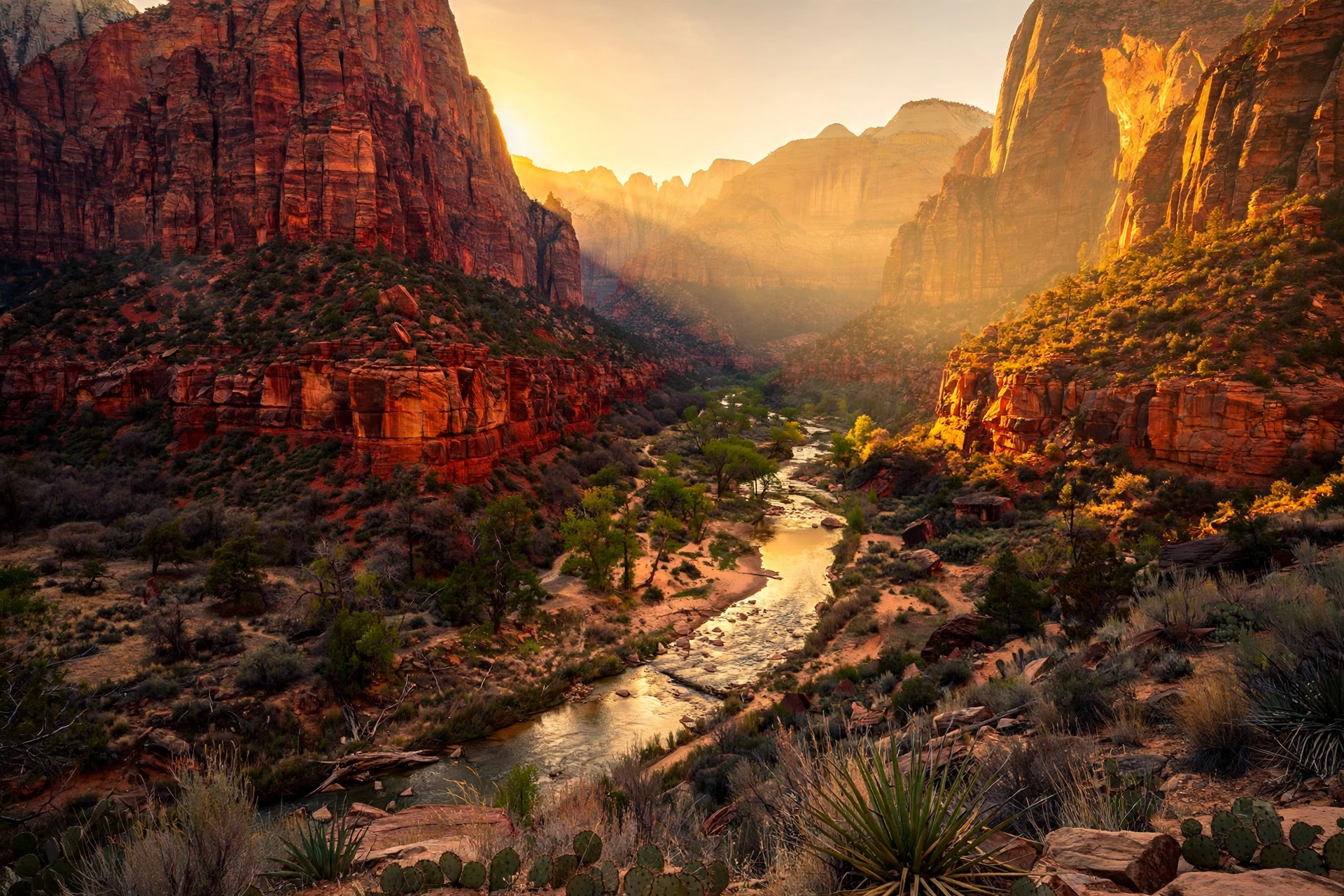
Zion National Park is trending across the United States this week — and for good reason. America’s beloved Utah canyon park has issued an urgent travel advisory: the iconic Zion–Mount Carmel Highway tunnel will close overnight for construction starting Monday, September 21, 2026. If you’re planning a fall visit to see the red cliffs at their autumn best, here’s everything you need to know about the closures, permits, fees, and essential tips for visiting Zion National Park in 2026.
With over 4.5 million visitors each year, Zion is Utah’s most-visited national park — famous for towering sandstone cliffs, the thrilling Angels Landing hike, and the watery slot canyon of The Narrows. But visiting in 2026 comes with new rules: tunnel closures, updated shuttle schedules, toxic algae warnings, and revised entrance fees. This guide covers it all.
Key Facts: Zion National Park — September 2026
- What: Nighttime closures of the Zion–Mount Carmel Highway tunnel for fiber optic construction
- When: 9 p.m. to 6 a.m., September 21–25 and September 28–30, 2026
- Where: Between the tunnel’s east entrance and Canyon Junction, Zion National Park, Utah
- Impact: Alternate routes add 10–45 minutes; Canyon Overlook Trail still reachable on foot
- Also new in 2026: Non-U.S. residents pay an extra $100 at Zion; Angels Landing still requires a lottery permit; cyanobacteria warning in effect for the Virgin River
Why Zion National Park Is Trending Right Now
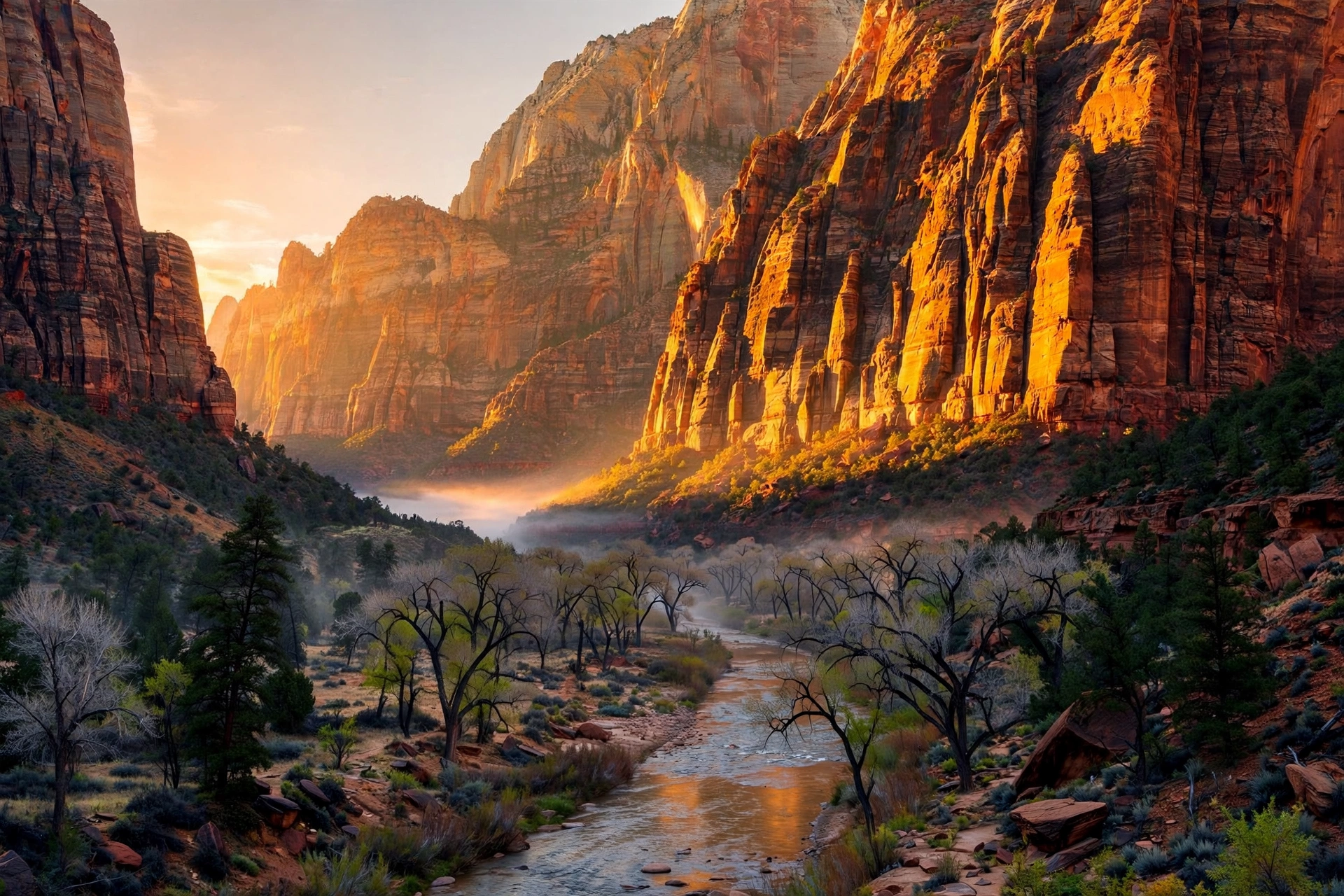
On September 19, 2026, Zion National Park officials announced temporary nighttime closures of the Zion–Mount Carmel Highway tunnel — a 1.1-mile engineering marvel carved through solid sandstone in the 1920s and the main artery connecting the park’s east and west sides. The Utah Department of Transportation (UDOT) is installing fiber optic cable throughout the region, and the work requires full tunnel closures overnight.
According to Gephardt Daily, the closures run from 9 p.m. to 6 a.m. on September 21–25 (Monday through Friday) and September 28–30. The closed stretch runs between the east entrance of the tunnel and Canyon Junction. Park officials note that dates are subject to change based on UDOT scheduling, and visitors should check UDOT’s website for updates before traveling.
The timing matters: late September is one of the best times to visit Zion, with mild temperatures, thinning crowds, and the start of fall color in the canyon. Travelers heading to the park’s east side — or using the tunnel as a through-route between Springdale and Bryce Canyon or Grand Canyon’s North Rim — need to plan around the overnight closures.
Zion–Mount Carmel Tunnel Closures: Dates, Times & Alternate Routes
Here’s the official closure schedule for the Zion National Park tunnel project:
| Closure Dates | Hours | Affected Segment |
|---|---|---|
| September 21–25, 2026 | 9:00 p.m. – 6:00 a.m. | Tunnel east entrance to Canyon Junction |
| September 28–30, 2026 | 9:00 p.m. – 6:00 a.m. | Tunnel east entrance to Canyon Junction |
During closure hours, expect detours to add 10 to 45 minutes depending on your destination. Official alternate routes include Utah State Route 20, Utah State Route 14, and the US-89 / Arizona 389 / Utah 59 corridor. For real-time travel guidance, UDOT maintains a dedicated Zion area roads page.
One piece of good news for hikers: the popular Canyon Overlook Trail remains accessible during closures. Park at the vault toilet near the tunnel’s east entrance and walk about a quarter mile to the trailhead. This short, family-friendly trail delivers one of the park’s best panoramic views for minimal effort — a perfect sunrise stop before the tunnel reopens at 6 a.m.
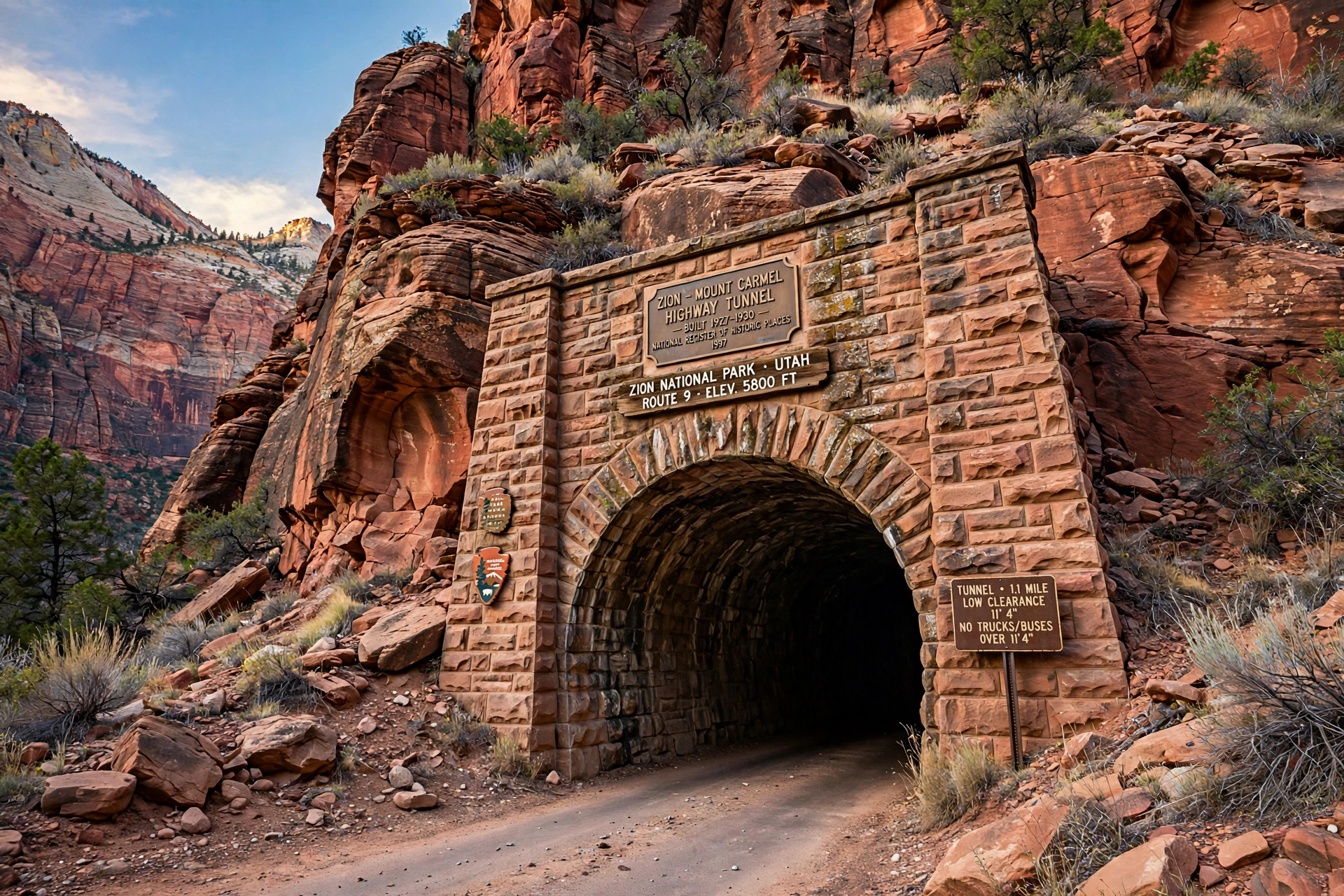
The tunnel itself is worth appreciating: completed in 1930, the 1.1-mile Zion–Mount Carmel Tunnel was the longest tunnel of its type in the United States when built, with gallery windows carved into the cliff face to light the interior and ventilate exhaust. Oversized vehicles still require ranger-escorted traffic control to pass through.
Visiting Zion National Park in Fall 2026: What to Know
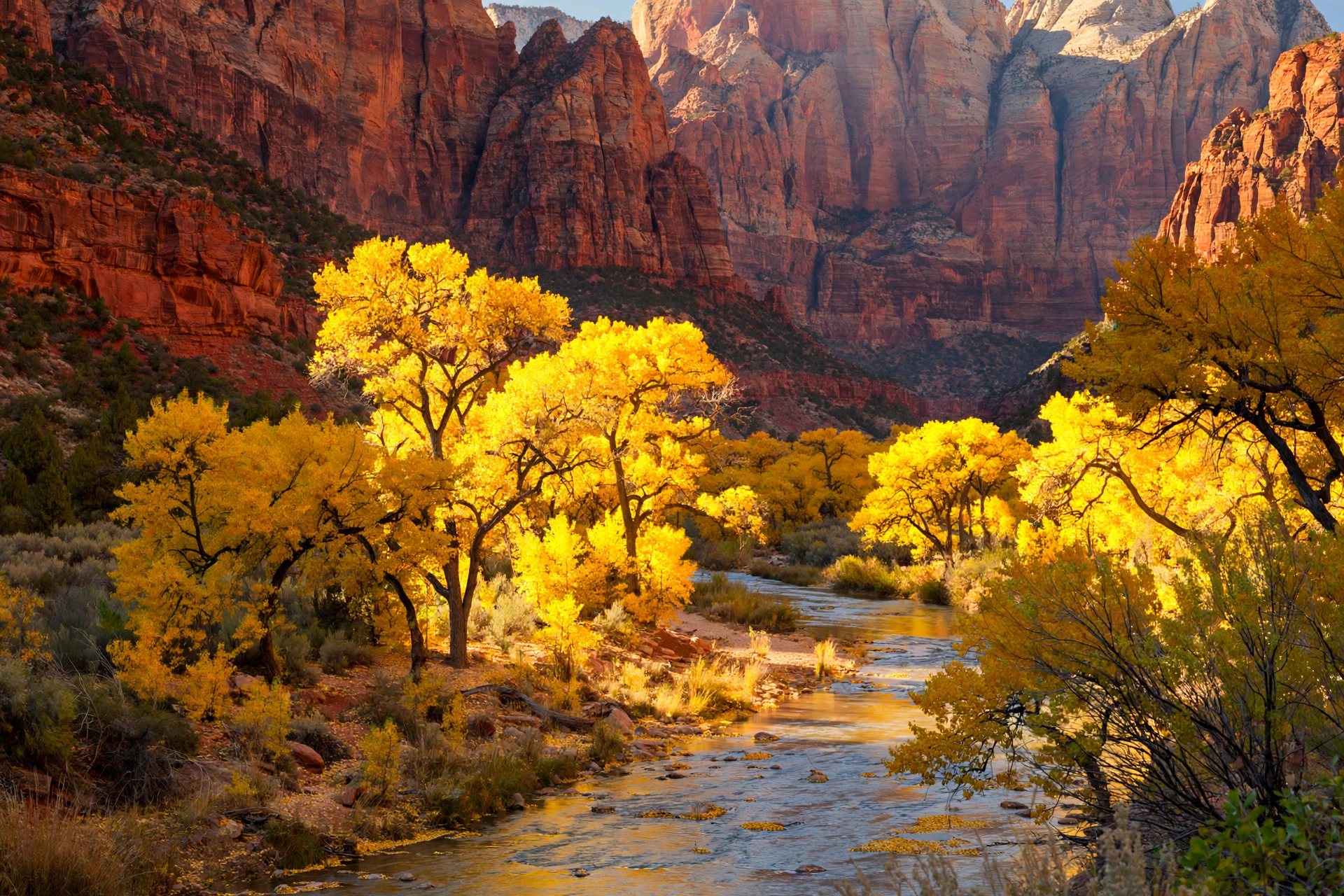
Fall is arguably the finest season in Zion National Park. Daytime highs in late September hover in the comfortable 80s°F (high 20s°C) in the canyon, dropping into the 50s°F at night. Cottonwoods and maples begin turning gold and crimson in late October and November. Crowds thin after Labor Day but the park still draws heavy weekend visitation — arrive early.
Shuttle System & Hours
From March through November, private vehicles cannot drive the Zion Canyon Scenic Drive — you must use the park’s free shuttle system. For fall 2026, the schedule tightens as daylight shrinks: from September 13 through October 24, the last shuttle leaves the Visitor Center at 6 p.m. and the last ride out of the canyon departs at 7:15 p.m. From October 25 through November 28, those cutoffs move to 5 p.m. and 6:15 p.m. Shuttle service pauses entirely from November 29 through December 25, resuming for the holiday week.
Missing the last shuttle is a serious matter: the walk from the Temple of Sinawava back to the Visitor Center can stretch eight miles or more. Board a return shuttle well before the posted last departure, and set a phone reminder before heading deep into the canyon.
Entrance Fees in 2026
A 7-day vehicle pass to Zion National Park costs $35. Starting January 1, 2026, a major fee change took effect: on fee-free days, free admission applies only to U.S. citizens and residents. More significantly for international travelers, non-U.S. residents age 16 and older now pay an additional $100 per person at 11 high-traffic parks including Zion — on top of the regular entrance fee. An America the Beautiful annual pass can cover these charges. U.S. visitors should carry a passport, state driver’s license, or Permanent Resident Card as proof of residency if visiting on a fee-free day.
Angels Landing Permits
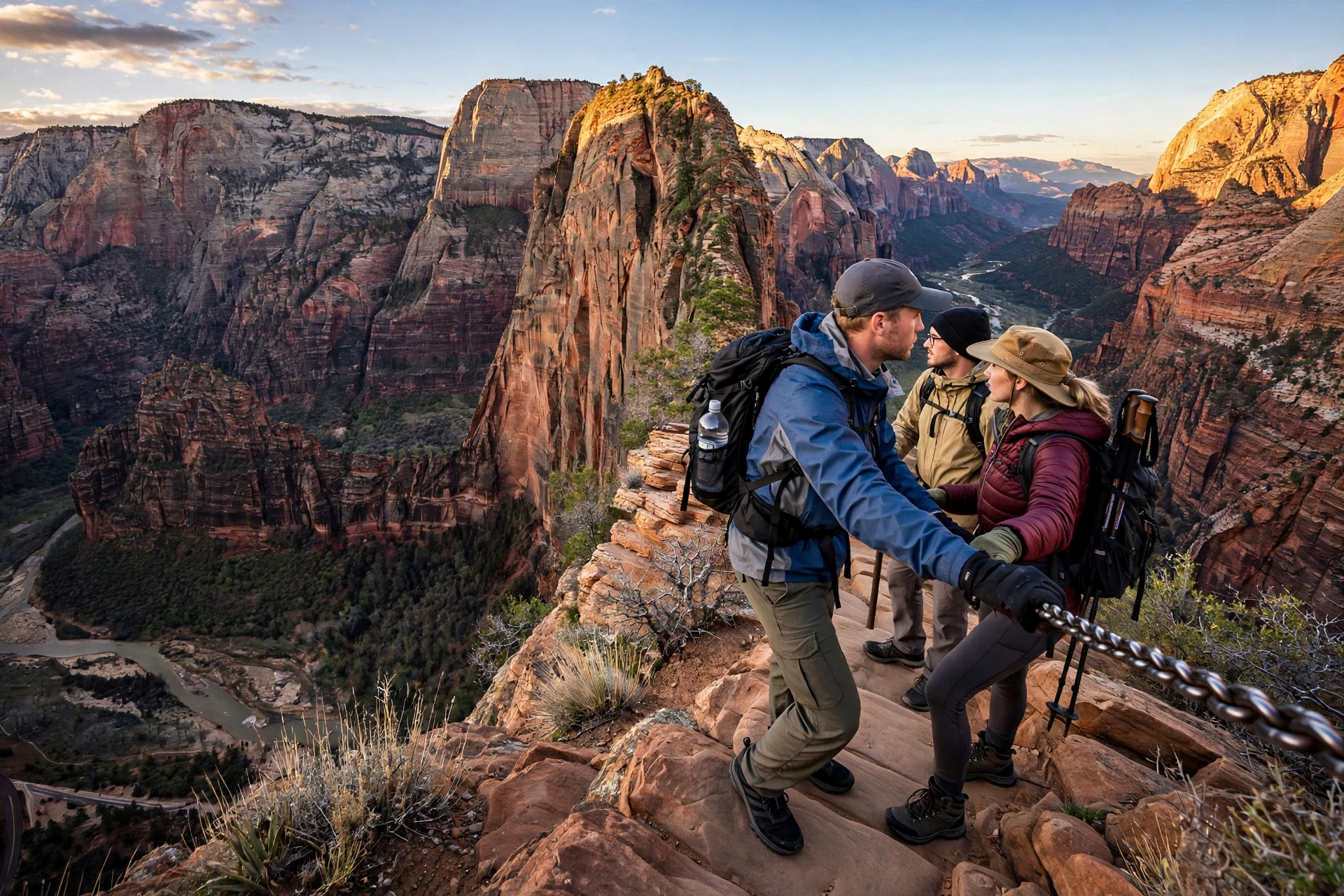
The park’s most famous hike — the vertiginous 5.4-mile Angels Landing trail with its chained cliff-edge finale — requires a lottery-based permit for the final section. Apply through Recreation.gov well in advance; day-before lotteries also run for last-minute planners. If you don’t secure a permit, the West Rim Trail to Scout Lookout (no permit needed) still delivers spectacular views.
Top Hikes in Zion National Park
Zion National Park offers trails for every ability, from paved riverside strolls to strenuous backcountry routes:
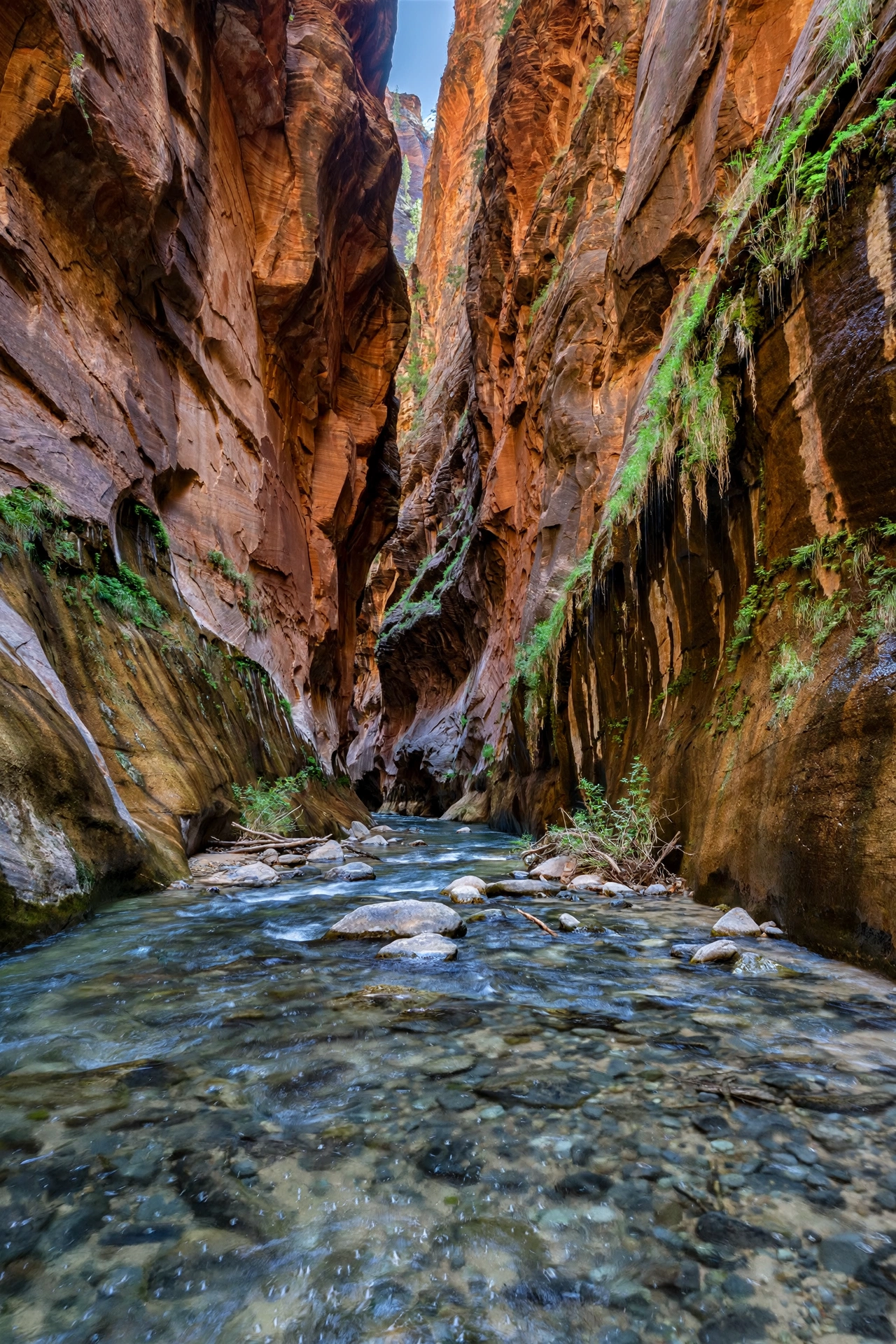
The Narrows (strenuous, permit/weather dependent): Wade upstream through the Virgin River in a towering slot canyon where walls rise a thousand feet. Check flow rates and flash flood forecasts — the Narrows closes when the river runs too high. Rent canyoneering boots, neoprene socks, and a walking stick in Springdale. Note the cyanobacteria advisory below before you go.
Angels Landing (strenuous, permit required): 5.4 miles round trip with 1,500 feet of elevation gain and sheer drop-offs along the chained spine. Not for anyone with a fear of heights.
Emerald Pools (easy to moderate): A trio of pools and waterfalls reachable via paved and sandy trails — ideal for families and sunset photography.
Canyon Overlook (easy): A one-mile round trip to a jaw-dropping viewpoint above the tunnel’s east entrance. Accessible on foot during the nighttime tunnel closures.
Pa’rus Trail (easy, accessible): A paved 3.5-mile round-trip path along the Virgin River, open to walkers, cyclists, and leashed pets — the only trail in the park where dogs are allowed.
Kolob Canyons (moderate): The park’s quieter northwest corner, with crimson finger canyons and far fewer crowds than Zion Canyon.
Safety Warnings: Cyanobacteria & Flash Floods
Two safety advisories are currently in effect at Zion National Park:
Toxic algae in the Virgin River: Park officials warn that cyanobacteria (blue-green algae) may be present in the Virgin River and its tributaries. The bacteria can form mats on rocks and riverbeds and produce dangerous toxins — even clear-looking water may be unsafe. Do not drink untreated river water, avoid submerging your head, and keep pets from drinking or swimming in the river. Dogs are especially vulnerable. Check current conditions on the NPS Zion page before any river hike.
Flash floods: Southern Utah’s monsoon season can send walls of water through slot canyons with little warning. In early September 2026, flash flood warnings covered the Zion area after intense thunderstorms. Never enter The Narrows or any slot canyon when flash flood warnings are posted, and check the weather forecast every morning of your trip. If you see rising water or hear thunder, move to high ground immediately.
Where to Stay & Eat Near Zion
Inside the park, Zion Lodge offers rooms and cabins in the heart of the canyon, plus the park’s only sit-down restaurant — book months ahead for fall. The Watchman and South Campgrounds take reservations via Recreation.gov and fill quickly; Lava Point Campground (primitive, seasonal) is first-come, first-served.
Just outside the South Entrance, the gateway town of Springdale lines the road with hotels, vacation rentals, outfitters, and restaurants — and its free town shuttle connects directly to the park’s pedestrian entrance, a smart workaround when park parking fills (which it does early, even on weekdays). Further afield, Hurricane, La Verkin, and St. George offer more budget options, while the east side near Mount Carmel Junction suits travelers combining Zion with Bryce Canyon.
For trip planning, fall weekends are the crunch point: the new Discovery Center on the park’s east side — expected to open in late 2026 — is designed to spread visitation beyond the crowded main canyon, with a transit hub and EV-shuttle connections planned.
Zion National Park FAQ
Why is Zion National Park trending?
Zion National Park is trending in September 2026 because park officials announced nighttime closures of the Zion–Mount Carmel Highway tunnel (9 p.m.–6 a.m., Sept 21–25 and Sept 28–30) for a UDOT fiber optic construction project — right at the start of the popular fall visiting season.
Is the Zion–Mount Carmel tunnel open right now?
The tunnel is open during daytime hours. Overnight closures (9 p.m. to 6 a.m.) are scheduled for September 21–25 and September 28–30, 2026, between the tunnel’s east entrance and Canyon Junction. Dates may shift with UDOT scheduling — check UDOT’s Zion area roads page before you go.
How much does it cost to enter Zion National Park in 2026?
A 7-day vehicle pass costs $35. Non-U.S. residents age 16+ pay an additional $100 per person at Zion under 2026 fee rules. An America the Beautiful pass covers entrance and the nonresident fee.
Do I need a permit to hike Angels Landing?
Yes — a lottery permit is required for the chained final section of Angels Landing. Apply via Recreation.gov in advance or try the day-before lottery. The trail to Scout Lookout requires no permit.
Is the Virgin River safe to swim in?
Caution is advised: cyanobacteria (toxic blue-green algae) may be present in the Virgin River. Don’t drink untreated water, don’t submerge your head, and keep pets out. Check the NPS current conditions page before visiting.
What is the best time to visit Zion National Park?
Late September through October offers mild weather, fall color, and smaller crowds than summer. Spring brings wildflowers and waterfalls. Summer is very hot (100°F+) and crowded; winter is quiet with possible ice on trails.
Can I drive my own car in Zion Canyon?
From March through November, private vehicles are not allowed on the Zion Canyon Scenic Drive — use the free park shuttle. You can still drive the Zion–Mount Carmel Highway (except during the overnight closures), Kolob Terrace Road, and Kolob Canyons Road.
Planning Your Zion Trip Around the Closures
If your Zion National Park visit falls during the closure windows, a little planning goes a long way. Driving between the east and west sides after 9 p.m.? Budget an extra 10–45 minutes for the detour via Utah 20, Utah 14, or the US-89/Arizona 389/Utah 59 loop. Photographers chasing sunrise at Canyon Overlook can park near the tunnel’s east entrance and walk in. And if you’re just passing through on a Utah national parks road trip, consider timing your tunnel crossing for daylight hours.
Beyond the construction, the fundamentals of a great Zion trip haven’t changed: start hikes early, carry a gallon of water per person per day, respect the shuttle schedule, check the weather and river conditions each morning, and leave the canyon cleaner than you found it. Like the nationwide celebrations that bring communities together around shared landmarks — from Dolly Parton Day festivities to classic match-day guides — Zion reminds us why America’s public lands are worth the planning they demand.
Whether you’re coming for the tunnel news, the fall colors, or your first glimpse of the Narrows’ towering walls, Zion National Park in autumn 2026 is worth the trip — just check the closure schedule before you hit the road. We’ll update this guide as UDOT releases new information.