

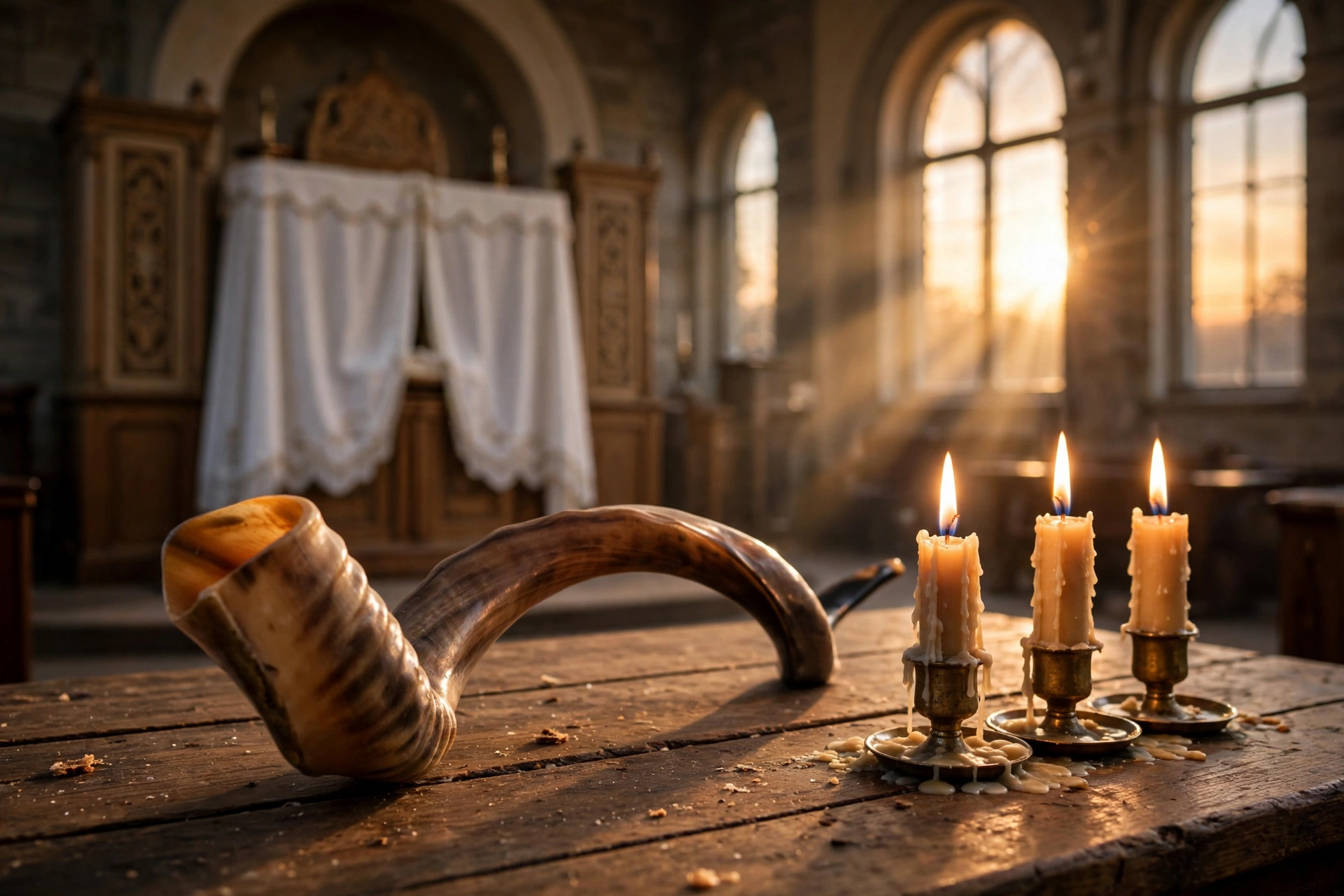
Yom Kippur 2026 is underway right now — the Jewish Day of Atonement began at sundown on Sunday, September 20, 2026, and ends at nightfall on Monday, September 21, 2026. Observed by millions of Jewish people around the world, Yom Kippur is the holiest and most solemn day of the Jewish year: a 25-hour fast, a day of prayer and repentance, and the moment when, according to tradition, each person’s fate for the coming year is sealed in the Book of Life.
If you are searching for the Yom Kippur 2026 date, the fasting rules, the correct greetings (and what not to say), or meaningful wishes to send to Jewish friends and colleagues, this complete guide covers it all — traditions, history, break-fast customs, and answers to the most common questions.
Yom Kippur 2026 — Key Facts
- Begins: Sundown, Sunday, September 20, 2026
- Ends: Nightfall, Monday, September 21, 2026
- Hebrew date: 10 Tishrei, 5787
- Also known as: The Day of Atonement
- Observance: 25-hour fast (no food or drink), five prayer services, no work
- Traditional greeting: “G’mar Chatima Tova” — may you be sealed for a good year
- Before the fast: “Tzom Kal” — have an easy fast
What Is Yom Kippur?
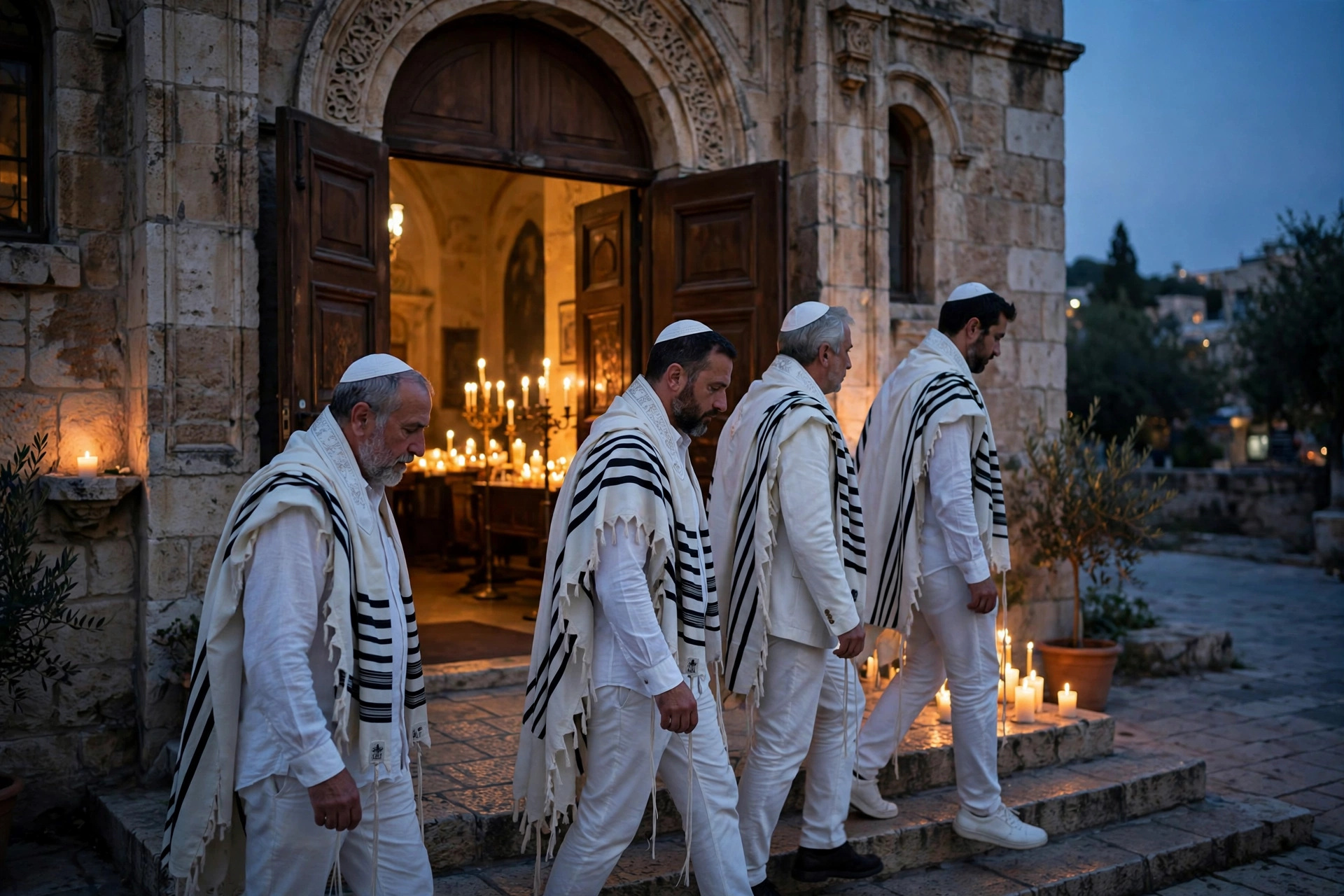
Yom Kippur — Hebrew for the “Day of Atonement” — is the holiest day of the year in Judaism. It falls on 10 Tishrei, the tenth day of the seventh month of the Hebrew calendar, and marks the climax of the Ten Days of Repentance (also called the Days of Awe) that begin with Rosh Hashanah, the Jewish New Year.
Unlike most holidays, Yom Kippur is not a celebration in the festive sense. There are no parties, no feasts during the day, and no cheerful decorations. Instead, it is a day of introspection, prayer, and repentance — a time to reflect on the mistakes of the past year, ask forgiveness from God and from the people we have wronged, and resolve to do better in the year ahead.
Jewish tradition teaches that during the Ten Days of Repentance, God inscribes each person’s fate for the coming year, and that the verdict is sealed on Yom Kippur itself. That is why the day’s most common greeting, “G’mar Chatima Tova,” means “may you be sealed for a good year.”
Even many Jews who do not regularly observe other traditions make an exception for Yom Kippur — synagogues are fuller on this day than at any other time of the year.
Yom Kippur 2026: Dates and Times
Because the Jewish calendar is lunisolar, Yom Kippur falls on a different Gregorian date each year, always in September or October. In 2026, the holiday spans two civil days because a day on the Jewish calendar begins in the evening:
- Yom Kippur 2026 begins: at sundown on Sunday, September 20, 2026
- Yom Kippur 2026 ends: at nightfall on Monday, September 21, 2026
The exact candle-lighting time varies by city — generally about 18 minutes before sunset in most communities. Here are the confirmed dates for upcoming years:
| Year | Hebrew Year | Begins (Sundown) | Ends (Nightfall) |
|---|---|---|---|
| 2026 | 5787 | Sunday, September 20 | Monday, September 21 |
| 2027 | 5788 | Sunday, October 10 | Monday, October 11 |
| 2028 | 5789 | Friday, September 29 | Saturday, September 30 |
| 2029 | 5790 | Tuesday, September 18 | Wednesday, September 19 |
| 2030 | 5791 | Sunday, October 6 | Monday, October 7 |
Ancient calendar rules prevent 10 Tishrei from falling on a Tuesday, Friday, or Sunday, so the core observance day always lands on a Monday, Wednesday, Thursday, or Saturday.
The 25-Hour Fast: Yom Kippur Fasting Rules
The centerpiece of Yom Kippur is a complete 25-hour fast — no food and no water from sundown to nightfall. Fasting is understood as a way to cleanse and purify body and soul, shifting the day’s focus entirely from physical needs to spiritual ones.
Tradition lists five afflictions, or things observant adults abstain from during Yom Kippur:
- Eating and drinking — the complete 25-hour fast; exemptions apply for the sick, the elderly, young children, and women who have just given birth
- Wearing leather shoes — canvas shoes, sneakers, or other non-leather footwear are worn instead; it is a distinctive sight in Jewish neighborhoods to see formally dressed people in trainers
- Bathing and washing — no bathing for pleasure during the day
- Anointing — no applying lotions, creams, or perfumes
- Marital relations — abstained from for the duration of the holiday
No work of any kind is done until the stars come out on the evening of the second day. Children below the age of religious obligation (bar/bat mitzvah age) and anyone for whom fasting would endanger health do not fast — Jewish law is clear that preserving life overrides the fast.
The evening before the fast, families share a final festive meal called the seudah mafseket (the “ceasing meal”). It is meant to be filling but not too salty or heavy, so no one begins the fast overly thirsty. A traditional request and blessing of honey cake may be shared, children receive blessings, and holiday candles are lit before sundown.
Yom Kippur Traditions and Customs
Kol Nidre — the opening service
Yom Kippur begins with a special evening synagogue service featuring Kol Nidre (“all vows” in Aramaic), a solemn legalistic declaration chanted before the fast starts. Recited only on Yom Kippur, it annuls personal vows made to God during the previous year — a profound reset that sets the tone for the day of repentance. The haunting melody of Kol Nidre is one of the most recognizable sounds in Jewish life.
Wearing white
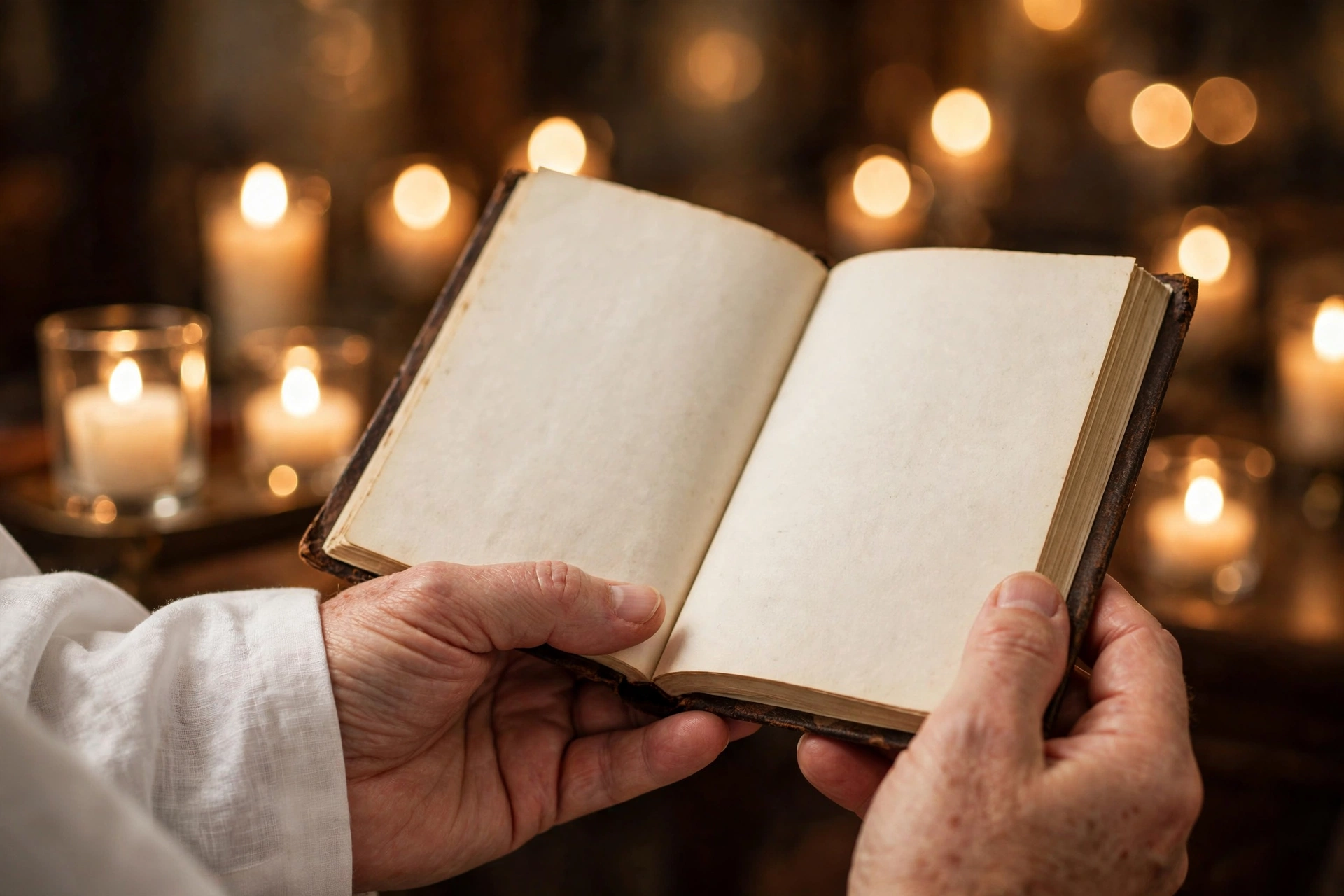
White is the color of Yom Kippur. Many worshippers — particularly men — wear a simple white linen robe called a kittel, also worn at a Passover Seder and, poignantly, as a burial shroud. The white symbolizes purity, the hope of forgiveness, and equality before God, stripping away the markers of status and wealth. Synagogues themselves are draped in white, with white Torah covers and white ark curtains.
Five prayer services
The day includes five distinct prayer services, read from a special prayer book called the machzor. After Kol Nidre in the evening, the daytime services continue through morning and afternoon, concluding with Ne’ilah — the final, most urgent service, held as the “gates” of judgment are said to be closing.
Yizkor — remembering loved ones
During the daytime services, the Yizkor memorial service honors those who have died, especially in the previous year. Many people also visit cemeteries on the day before Yom Kippur to remember those who came before them.
The shofar blast
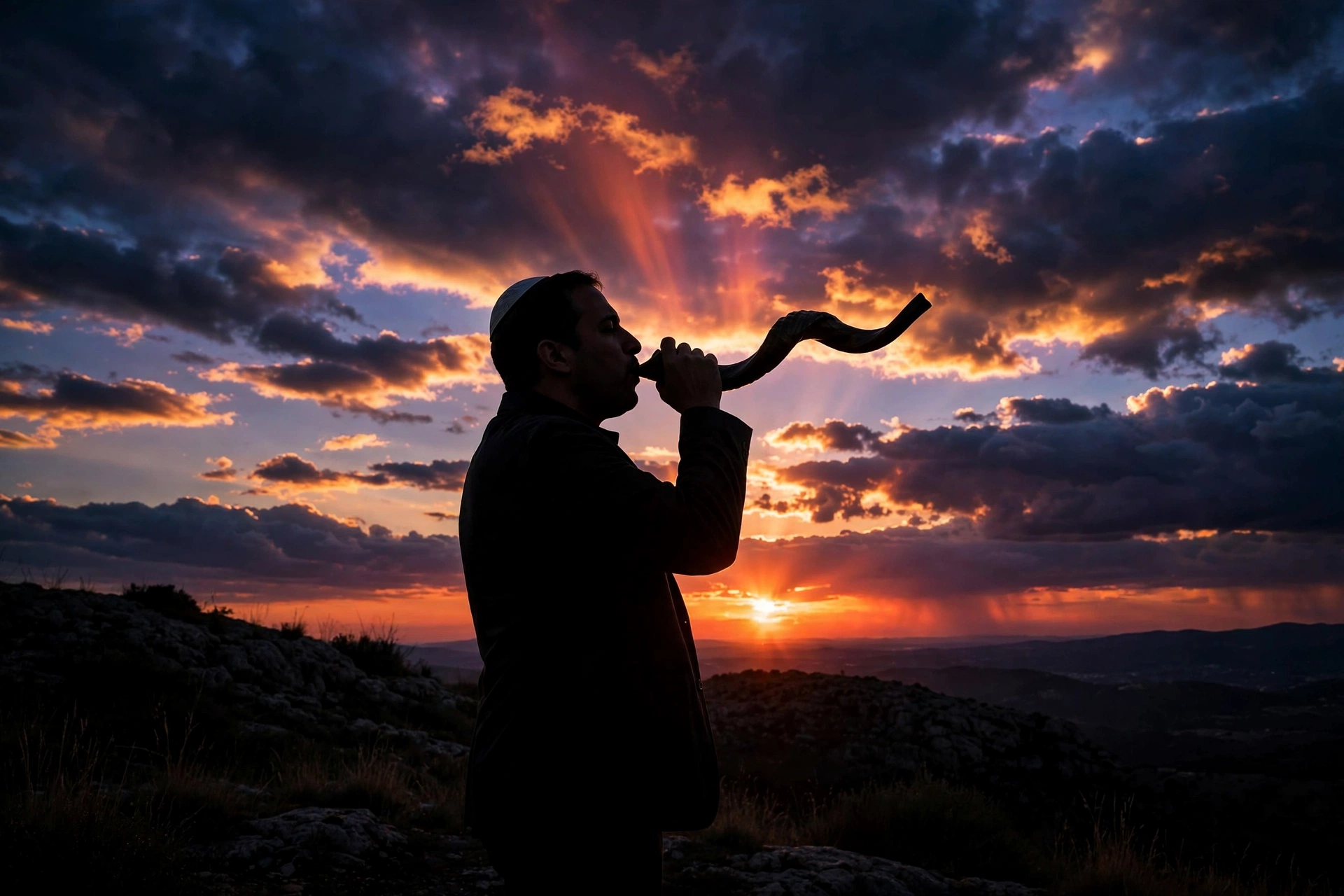
Yom Kippur ends with a single, long blast blown on the shofar — a trumpet made from a ram’s horn — at the close of Ne’ilah. It is believed this echoes the shofar blown at Mount Sinai when the Torah was given. When the blast sounds, there is often music and a palpable sense of release: the fast is over, and, it is hoped, the year ahead is sealed for good.
Tzedakah — charity
Giving to those in need, or tzedakah, is an essential part of the day. In the lead-up to Yom Kippur, many people give money or time to the poorest among them — repentance, prayer, and charity are traditionally said to avert a severe decree.
Breaking the fast
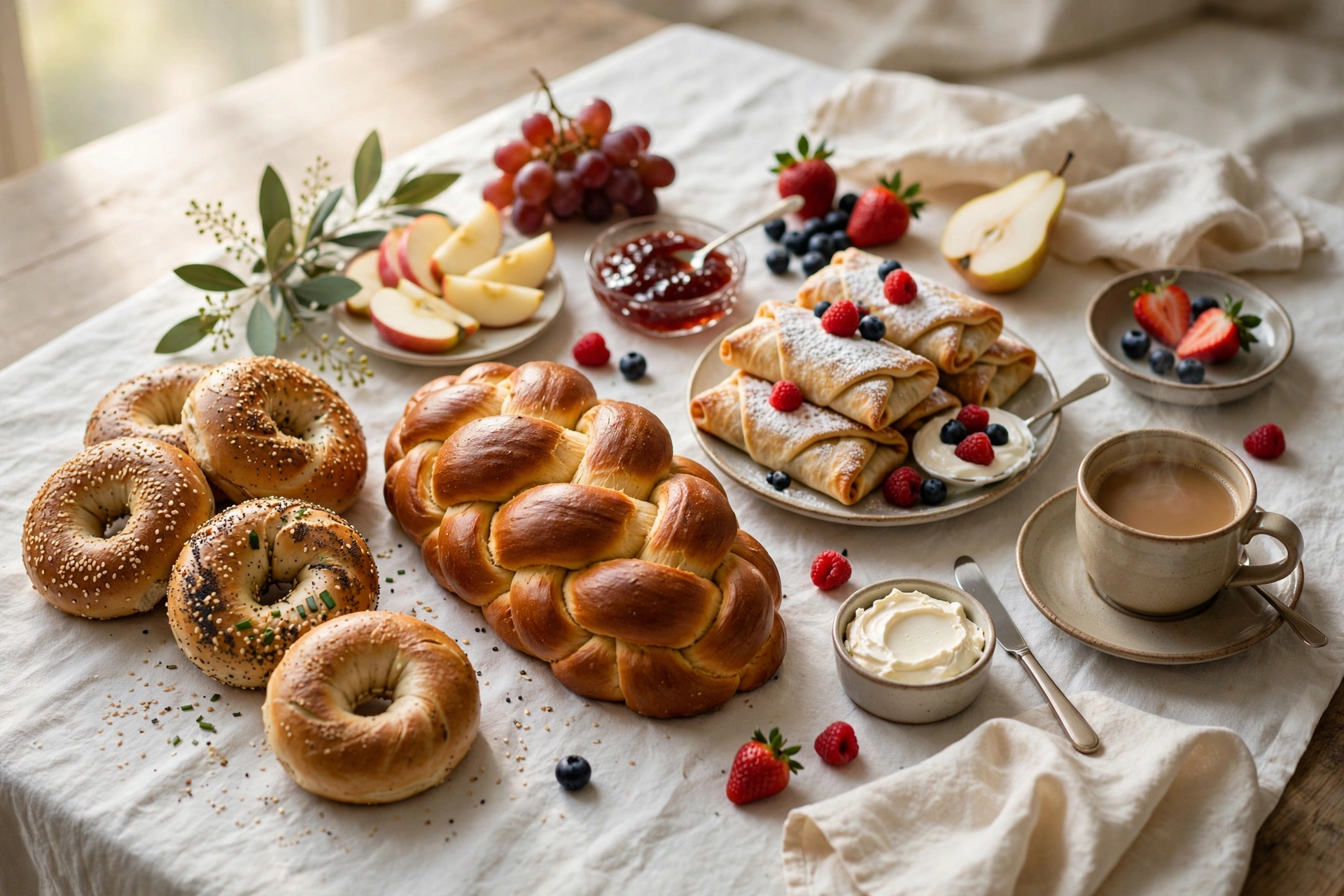
After 25 hours without food or water, the break-fast meal is one of the most anticipated traditions of the holiday. Because the body has gone so long without eating, the meal is traditionally light and gentle rather than rich or heavy: fresh fruit, dairy dishes, bagels and spreads, kugel, blintzes, and egg dishes are all common, giving the body an easy way back into eating.
Yom Kippur Greetings: What to Say (and What Not to Say)
Because Yom Kippur is such a solemn day, a cheerful “Happy Yom Kippur” is not appropriate — it can genuinely miss the mark. Instead, use one of the traditional greetings below. As a general rule, learning how different cultures mark their most meaningful days starts with getting the words right.
| Greeting | Meaning | When to use it |
|---|---|---|
| G’mar Chatima Tova (גמר חתימה טובה) | “May you be sealed for a good year” (in the Book of Life) | From Rosh Hashanah until the end of Yom Kippur — the standard greeting |
| G’mar Tov | Short form of the above | Same period; more casual |
| Tzom Kal (צום קל) | “Have an easy fast” | In the hours just before Yom Kippur begins |
| Have an easy fast | English equivalent of Tzom Kal | Used by Jewish and non-Jewish people alike — always appreciated and always correct |
| Have a meaningful fast | A reflective alternative | Good option if you want to acknowledge the day’s seriousness |
Note: “Chag Sameach” (“happy holiday”) is used for Sukkot, which begins just days after Yom Kippur ends — not for Yom Kippur itself.
Yom Kippur Wishes and Messages to Share
Looking for the right words for a card, text message, or social media post? Here are thoughtful Yom Kippur wishes you can send to Jewish friends, family, and colleagues:
- G’mar Chatima Tova — may you be sealed in the Book of Life for a good and sweet year.
- Wishing you an easy and meaningful fast this Yom Kippur.
- May this Day of Atonement bring you peace, reflection, and renewal.
- Tzom Kal! Thinking of you as you observe this holy day.
- May you be inscribed and sealed for a year of health, happiness, and blessing.
- Wishing you and your family a meaningful Yom Kippur filled with reflection and hope.
- As the shofar sounds, may all your prayers be answered in the year ahead.
- May this Yom Kippur bring forgiveness, fresh beginnings, and a clean slate.
- Sending you strength and serenity during the 25-hour fast.
- G’mar Tov — wishing you a year written in goodness.
- May your fast be easy and your heart be light at its end.
- On this holiest of days, may you find the peace that comes with atonement.
- Wishing you a Yom Kippur of deep reflection and quiet joy when the fast breaks.
- May the new year bring you and your loved ones only blessings.
- Have a meaningful Yom Kippur — here’s to a fresh start and a sweet year ahead.
How Non-Jewish Friends and Colleagues Can Observe Respectfully
You do not need to be Jewish to show respect for Yom Kippur. A few simple gestures go a long way:
- Use the right greeting. “Have an easy fast” or “G’mar Chatima Tova” is always appreciated. Never “Happy Yom Kippur.”
- Avoid scheduling important meetings or social events with observant Jewish colleagues on Yom Kippur — they will be fasting and in synagogue most of the day.
- Be mindful about food. If you share a workspace, avoid eating strong-smelling or conspicuous meals around someone who is fasting.
- Keep it quiet and calm. The day is solemn; loud celebrations or party invitations on the day itself can feel tone-deaf.
- Ask, don’t assume. Levels of observance vary widely. A simple “Is there anything I should keep in mind for Yom Kippur?” shows care without presumption.
Yom Kippur Around the World
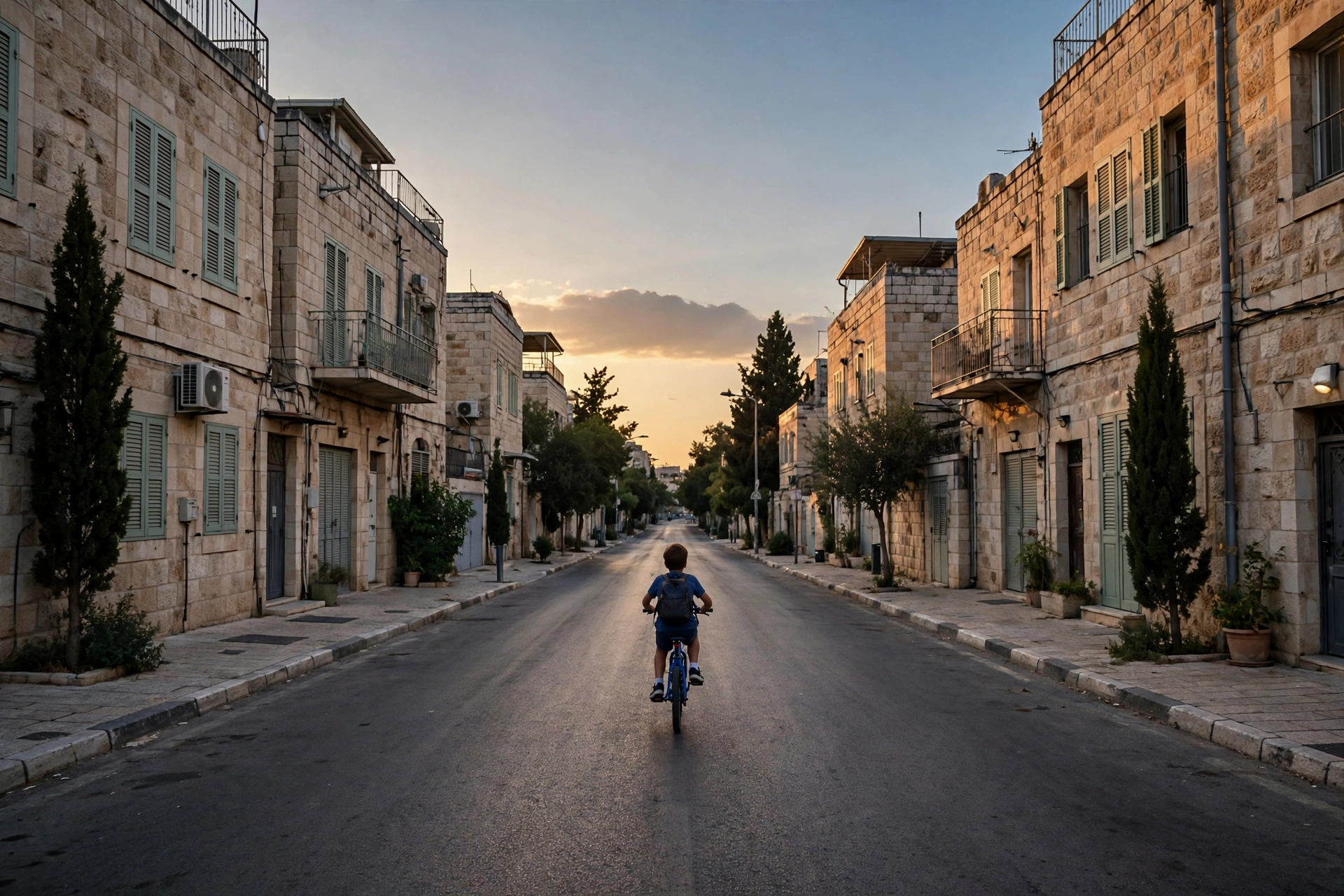
Nowhere is Yom Kippur felt more dramatically than in Israel, where the country effectively stops. There are no flights, no television or radio broadcasts, no public transport, and almost no cars on the roads — children ride bicycles down empty motorways. It is the quietest day of the Israeli year, observed by religious and secular Israelis alike.
In the United States, Yom Kippur is one of the most widely observed Jewish holidays, with synagogues — from large Reform temples to small Orthodox shuls — packed for Kol Nidre. Many Jewish day schools and some public school districts with large Jewish populations close or excuse absences.
Around the world, from London to Buenos Aires to Melbourne, the pattern is the same: fasting, prayer, white clothing, and finally the shofar blast that ends the day — followed by joyful break-fast gatherings with family and community.
The History of Yom Kippur
Yom Kippur’s roots reach back to biblical times. The holiday is described in the Torah, including in the Book of Leviticus, which sets aside a day for atonement and self-denial. In ancient times, the observance centered on the Temple in Jerusalem and the work of the High Priest, who alone entered the Holy of Holies — the most sacred area of the Temple — on this one day each year.
One ancient ritual involved two goats: according to Leviticus, one was offered as a sacrifice while the sins of the community were symbolically placed on the other, which was then sent into the wilderness. That ritual gave the English language the word “scapegoat.”
After the destruction of the Temple in Jerusalem, the Temple rituals were no longer possible, and the observance transformed: prayer, fasting, and repentance became the center of the day. Those practices remain at the heart of Yom Kippur today, more than two thousand years later — a remarkable continuity of tradition.
External sources for further reading: the Hebcal Yom Kippur 2026 calendar page, HISTORY’s guide to Yom Kippur dates, and The Old Farmer’s Almanac on Yom Kippur traditions.
Yom Kippur 2026 — Frequently Asked Questions
When is Yom Kippur 2026?
Yom Kippur 2026 begins at sundown on Sunday, September 20, 2026, and ends at nightfall on Monday, September 21, 2026. On the Hebrew calendar, it is 10 Tishrei, 5787.
How long does the Yom Kippur fast last?
The fast lasts approximately 25 hours — from sundown on the first evening until nightfall the next day. Observant adults abstain from all food and water for the entire period, along with wearing leather shoes, bathing, applying lotions, and marital relations.
What do you say to someone on Yom Kippur?
The traditional greeting is “G’mar Chatima Tova” (may you be sealed for a good year). Just before the fast, say “Tzom Kal” or “have an easy fast.” Do not say “Happy Yom Kippur” — the day is solemn, not celebratory.
Who is exempt from fasting on Yom Kippur?
Children below bar/bat mitzvah age, the elderly and frail, the sick, and women who have just given birth are exempt. Jewish law holds that preserving life and health overrides the obligation to fast.
What is Kol Nidre?
Kol Nidre (“all vows”) is the solemn Aramaic declaration chanted at the evening service that opens Yom Kippur. Recited only on this night, it annuls personal vows made to God during the previous year, and its haunting melody is one of the most famous sounds in Jewish liturgy.
Why do people wear white on Yom Kippur?
White symbolizes purity, the hope of forgiveness, and equality before God. Many men wear a white linen robe called a kittel, and synagogues are draped in white for the day.
What breaks the Yom Kippur fast?
The fast ends at nightfall with a single long blast of the shofar after the Ne’ilah service. The traditional break-fast meal is light and gentle — bagels and spreads, fresh fruit, kugel, blintzes, and dairy dishes.
Conclusion
Yom Kippur 2026 — from sundown on September 20 to nightfall on September 21 — is the most sacred 25 hours of the Jewish year: a day of fasting, prayer, and atonement that has been observed, in evolving form, for millennia. Whether you are fasting yourself, attending Kol Nidre, sending “G’mar Chatima Tova” wishes to loved ones, or simply learning about the traditions of your neighbors and colleagues, understanding the meaning behind the day is what matters most.
As the shofar sounds tonight and the fast breaks, we wish all who observe: G’mar Chatima Tova — may you be sealed for a good year.