

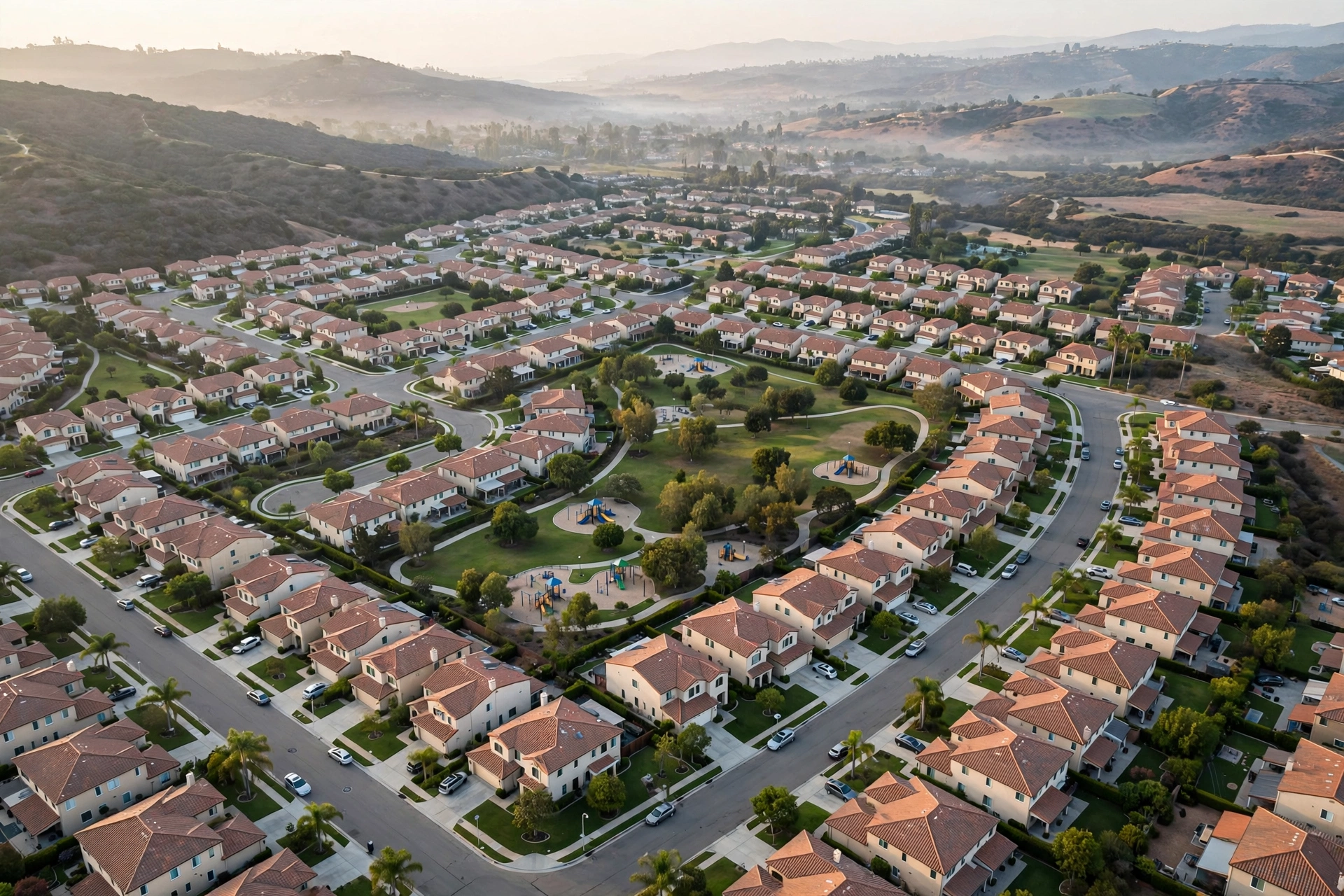
A quiet, manicured suburb in Orange County has become the center of a frightening medical mystery. In Ladera Ranch, California, at least six children have been diagnosed with Ewing sarcoma, an exceptionally rare cancer of the bone and soft tissue, according to federal officials and local reporting cited by Fox News Digital. Families who lost young people to the disease are demanding answers — and scientists are now collecting soil and water samples from the community’s parks to look for environmental causes.
Key Facts: The Ladera Ranch Cancer Cluster at a Glance
- At least six children in Ladera Ranch, CA have been diagnosed with Ewing sarcoma, with cases going back to 2013.
- Several young people have died, including 17-year-old Brody Matteson in March 2026, 23-year-old Lily Dalton in January 2026, and Ryan Regan in October 2025.
- Ewing sarcoma is exceptionally rare — it mainly strikes adolescents and young adults and forms in bone or nearby soft tissue, per the National Cancer Institute.
- Environmental testing is underway: Cal State Fullerton researchers have collected samples from three community parks to test for heavy metals and pesticides.
- A pesticide fight is raging: residents are pressuring the homeowners association to stop spraying; the HOA says going organic would cost too much.
- No cause has been identified. State health officials have not established any link between the cancers and the environment.
What Is Happening in Ladera Ranch Right Now?
Ladera Ranch is an affluent planned community in Orange County, Southern California — the kind of place families move to for good schools, safe streets, and immaculate landscaping. But over the past year, a growing number of families have come forward with devastating news: their children have been diagnosed with Ewing sarcoma, a cancer so rare that a handful of cases in one neighborhood is statistically startling.
Following the March 2026 death of 17-year-old Brody Matteson from complications of treatment for Ewing sarcoma, more families began speaking publicly about rare cancer diagnoses in the community, according to local reports. Families have publicly shared the names of young people who lost their battles with aggressive bone and tissue cancers: Ryan Regan, who died in October 2025; Lily Dalton, 23, who died in January 2026; and Brody Matteson, 17, who died in March 2026, the New York Post reported.
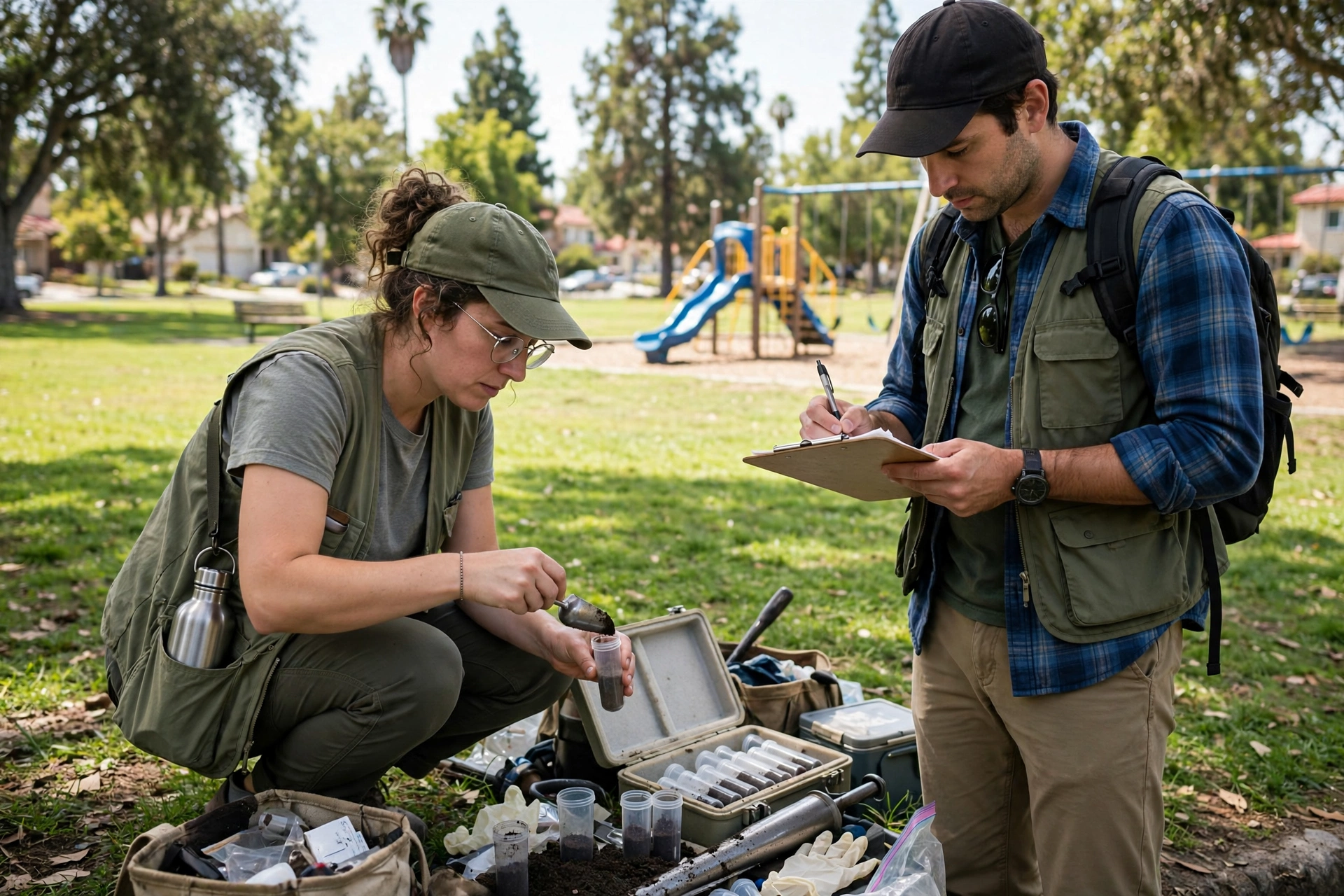
The concern intensified this month when Cal State Fullerton students and researchers began collecting environmental samples at three parks in the community. The additional testing follows growing alarm over the cancer cases. “It’s very difficult to prove causation, and we don’t even know that this is environmental. It could be something else that’s potentially causing childhood cancers, but what we want to do is figure out if it is something in the environment,” Daniel Curtis, a professor in the university’s chemistry department, told NBC 4.
What Is Ewing Sarcoma?
To understand why the Ladera Ranch cancer cluster is so alarming, it helps to know just how uncommon this disease is. Ewing sarcoma is an exceptionally rare cancer that forms in the bone or nearby soft tissue, and it primarily occurs in adolescents and young adults, according to the National Cancer Institute.
“Knowing that this is a very rare cancer diagnosis amplifies the concerns,” Dr. Janet Yoon, a pediatric oncologist and sarcoma specialist at City of Hope in Los Angeles, told Fox News Digital. “Anytime you hear of cases in a geographic location, it does raise some concerns… I can completely understand why further investigation is being done.”
Because Ewing sarcoma occurs so infrequently in the general population — roughly one case per million children and teens per year — even a small number of diagnoses concentrated in one community raises legitimate questions that only registry-based cancer data and environmental testing can answer. Experts caution, however, that clusters of rare cancers do not automatically prove an environmental cause, and small-number statistics can sometimes be misleading.
Timeline: How the Ladera Ranch Cancer Story Unfolded
- 2013–2024: At least six children in Ladera Ranch are diagnosed with Ewing sarcoma, according to families and the community-run Ladera Health Map.
- 2024: Prompted by residents’ concerns, the California Department of Public Health conducts a county-level review to see whether pesticide use could have played a role in certain cancer types. The review finds no unusual pattern, but officials acknowledge the data is limited and urge a more “focused assessment.”
- October 2025: Ryan Regan dies from an aggressive bone and tissue cancer.
- January 2026: Lily Dalton, 23, dies.
- March 2026: Brody Matteson, 17, dies from complications of treatment for Ewing sarcoma. After his death, more families begin speaking publicly.
- July 2026: Parents organize and meet with the Ladera Ranch HOA to push for transparency on landscaping and pesticide practices; Brody’s father, Dustin Matteson, tells NBC Los Angeles he is concerned about pesticides.
- September 2026: At a fiery HOA maintenance corporation meeting, at least 10 residents demand the HOA stop spraying pesticides. Cal State Fullerton researchers begin collecting soil and water samples from three parks.

The Pesticide Debate and the HOA Fight
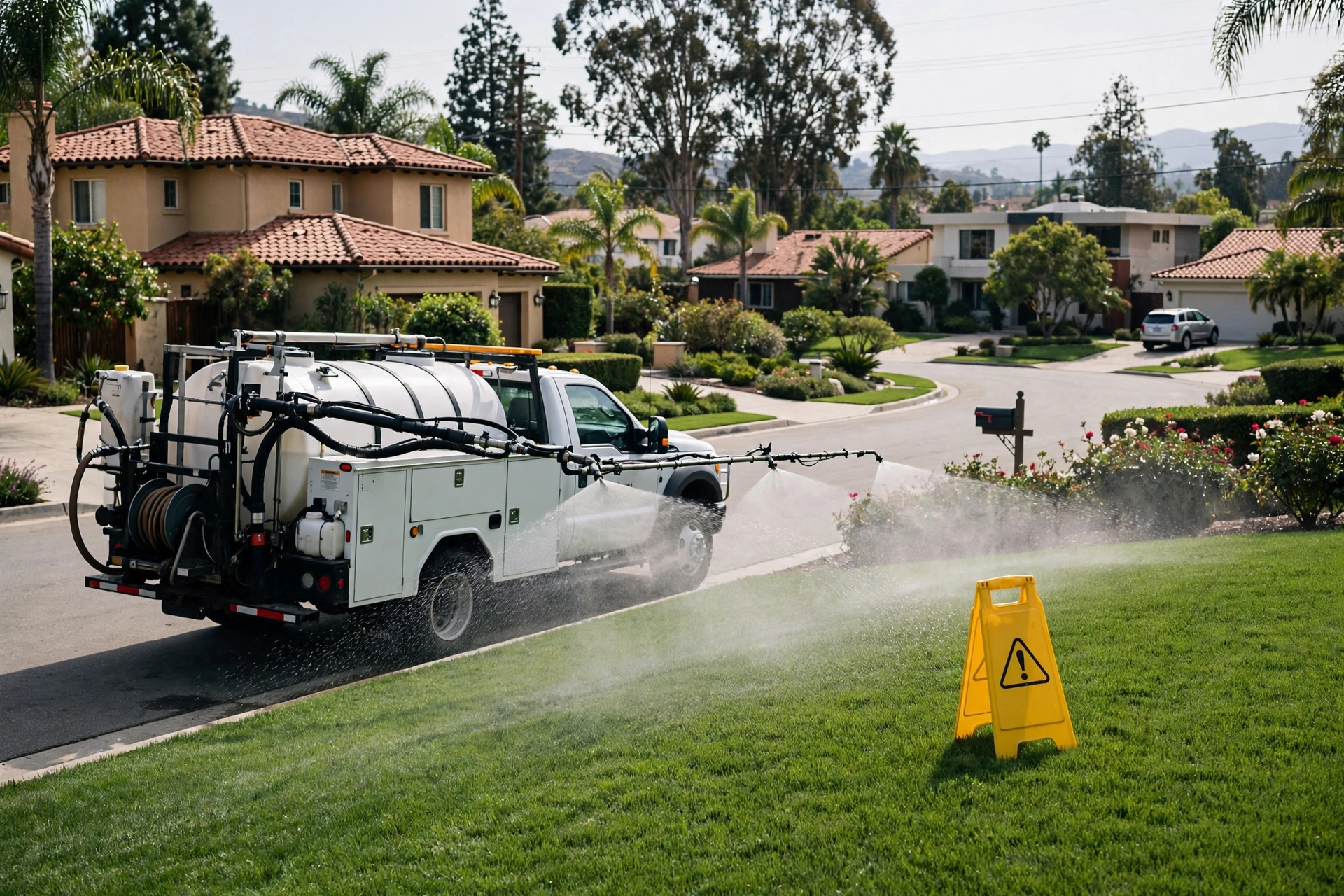
At the center of the Ladera Ranch cancer cluster controversy is a bitter dispute over the chemicals sprayed to keep the community’s lawns and parks immaculate. Some residents — including Brody Matteson’s father, Dustin Matteson — have suggested the illnesses could be linked to the community’s use of herbicides and pesticides, which prompted calls for a broader environmental investigation.
“We don’t have a clear line of evidence for pesticides, but it is one of the things that concerns us,” Matteson told NBC Los Angeles in July.
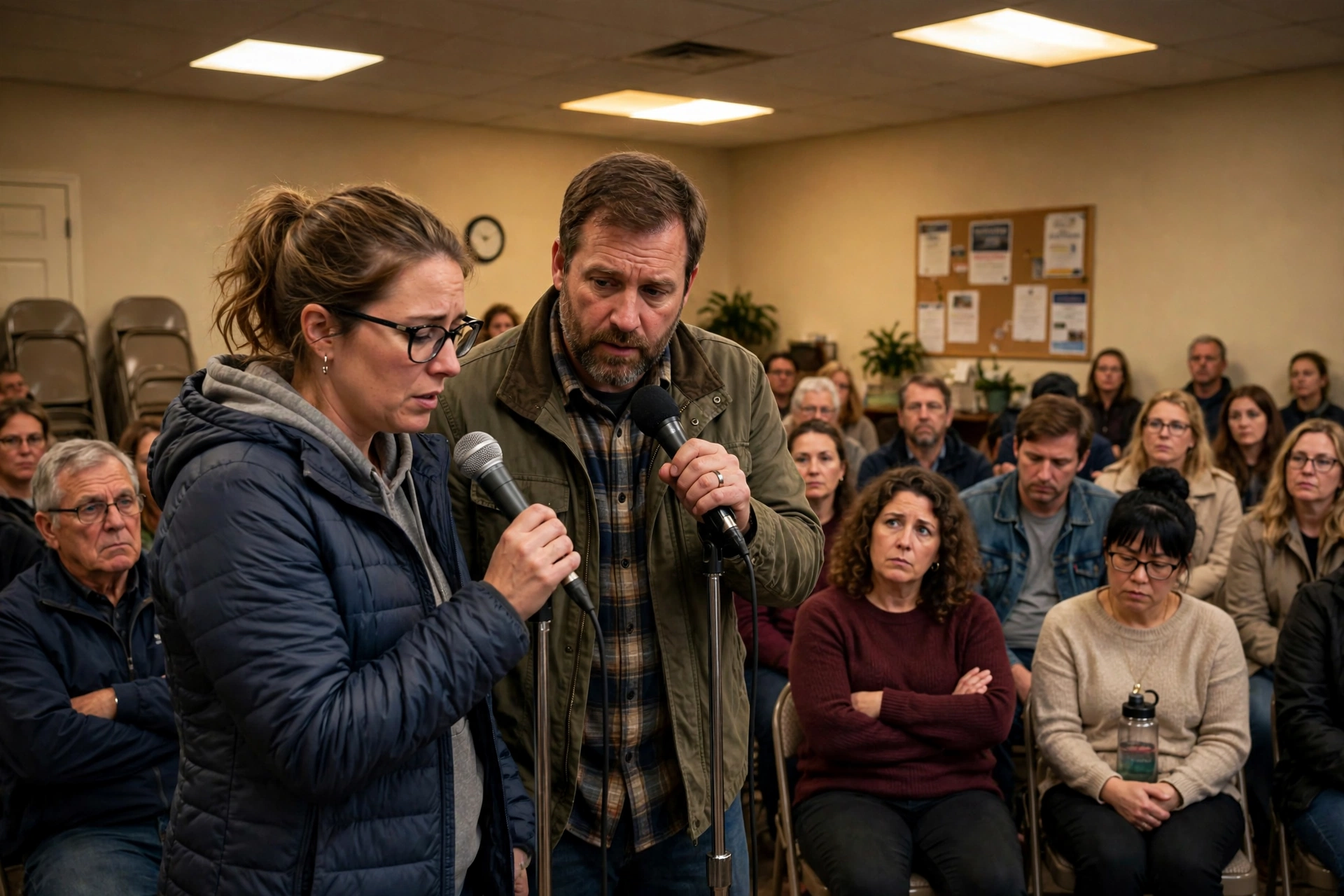
At a Ladera Ranch Maintenance Corporation meeting, at least 10 residents spoke about pesticide use. John Gresko, a Ladera Ranch resident, father of five and founder of the resident advocacy group Protect Ladera, told The California Post: “No one should have to wonder whether what they’re breathing, drinking, or touching is harmful. This is about precaution, not causation.”
But the HOA says ditching conventional chemicals for organic landscaping would cost too much. The meeting turned emotional when Margaret Novak, a Santa Margarita Water District board member, spoke in support of traditional pesticides and cited the need for them to keep Ladera Ranch’s landscaping looking attractive — while a mother who had lost her son to cancer earlier in the year was visibly shaken and began crying during the speech.
One resident investigator, Jenny Granero — a mother of three and founder of the group Ladera Goes Organic — has been conducting her own research into the chemicals being used. She investigated Specticle G, a herbicide used to control weeds, and said she developed intense itching after walking through an area on August 27 where she alleges the product had recently been applied, the New York Post reported. Locals have identified up to 12 cases of Ewing sarcoma and synovial sarcoma in and around the area, with residents tracking at least six deaths.
A resident group called Non-Toxic Ladera Ranch is pushing for integrated pest management — while being careful to say it is not claiming pesticides caused any illness, according to the Ladera Health Map.
Environmental Testing: What Researchers Are Doing Now
The most significant development in the Ladera Ranch cancer cluster is the independent environmental testing now underway. Students and researchers from Cal State Fullerton have collected samples at three parks in the Orange County community, examining them for possible environmental factors — including heavy metals and pesticides — that could be connected to the cancer cases, per NBC 4 reporting.
The researchers are testing soil and water, and results are expected in the coming weeks. Even so, scientists stress the limits of what the testing can show. “It’s very difficult to prove causation,” professor Daniel Curtis acknowledged to NBC 4 — environmental findings alone cannot establish that any chemical caused a specific cancer.
Health scares tied to possible environmental contamination are not new, and clusters of rare illness have drawn national attention before. Read our guide to another frightening health story: Brain-Eating Amoeba: Symptoms, Risks and Prevention Guide.
The 20-Year-Old Oil Well Warning
In a twist that deepened the mystery, unearthed records revealed that officials were warned more than 20 years ago not to build on land now struck by the rare cancers without “further considerations.” The ominous handwritten notes appeared on the documents for the abandoning of a historical oil well below what is now Ladera Ranch in Orange County.
The pencil markings — written twice on the Department of Conservation permit and reading “This well is not to be built over without further considerations” — were added with an arrow pointing to a note saying “Put on final letter.” The documents were signed off when the well was sealed on February 26, 2002, according to reporting by the California Post.
The Department of Conservation told the outlet the notes may have been a “clerical error,” but offered no explanation for why they specifically needed to be put on the final letter. There is no suggestion the abandoned well caused the Ladera Ranch cancer cases, and scientists remain unsure exactly what causes Ewing sarcoma at all.
What Health Officials Say
State and county health officials have taken the Ladera Ranch cancer cluster seriously while stopping short of confirming an unusual pattern. In 2024, the California Department of Public Health conducted a county-level review after residents raised concerns about pesticide use — it found no unusual pattern, but officials acknowledged the available data was limited and called for a more “focused assessment.”
According to the New York Post, the California Department of Public Health is currently investigating whether certain cancers are occurring at higher-than-expected rates in the community. The Orange County Health Care Agency says its initial review of available cancer data did not find a particular pattern, but that it plans another review in the coming weeks given the continued concern.
Families are caught in the middle: no specific cause has been identified, yet the diagnoses keep surfacing. As one community advocate put it, the fight is about precaution, not causation — reducing potential exposures while the science catches up.
Warning Signs Parents Should Watch For
Ewing sarcoma symptoms can mimic ordinary growing pains or sports injuries, which is why pediatric oncologists urge families to take persistent symptoms seriously. According to the National Cancer Institute and health experts, parents should seek medical evaluation for:
- Pain in a bone or around a joint that does not go away, especially at night or with rest
- Swelling or a lump near a bone that grows or does not resolve
- Unexplained fever with no clear infection
- A bone that breaks easily without significant trauma
- Fatigue, weight loss, or loss of appetite alongside any of the above
These symptoms are far more likely to have benign causes, but persistent or worsening pain deserves prompt medical attention — a message the Ladera Ranch families themselves are amplifying through their advocacy.

Frequently Asked Questions About the Ladera Ranch Cancer Cluster
What is the Ladera Ranch cancer cluster?
It refers to at least six cases of Ewing sarcoma — an exceptionally rare bone and soft-tissue cancer — diagnosed in children from Ladera Ranch, California, between 2013 and 2024. Several young people have died, and the geographic concentration has prompted environmental testing and a state health investigation.
What is Ewing sarcoma?
Ewing sarcoma is an exceptionally rare cancer that forms in bone or nearby soft tissue and primarily affects adolescents and young adults, according to the National Cancer Institute. Because it is so uncommon — roughly one case per million children and teens per year — several cases in one community is statistically striking.
Did pesticides cause the Ladera Ranch cancer cases?
There is no evidence that pesticides or herbicides caused the cancers. Some residents suspect a link and are demanding the homeowners association stop spraying, but state health officials, scientists, and even the resident advocacy groups themselves stress that no connection has been established.
What is the Cal State Fullerton testing about?
Students and researchers from Cal State Fullerton collected soil and water samples from three parks in Ladera Ranch to test for environmental factors such as heavy metals and pesticides. Results are expected in the coming weeks. The researchers caution that environmental findings alone cannot prove causation.
What did the 2024 state health review find?
The California Department of Public Health’s 2024 county-level review found no unusual pattern of cancer, but officials said the available data was limited and called for a more focused assessment. The Orange County Health Care Agency is planning another review given the continued concern.
What was the handwritten warning about the oil well?
Records show a historical oil well beneath Ladera Ranch was sealed in 2002 with handwritten notes warning it was “not to be built over without further considerations.” The Department of Conservation suggested the notes may have been a clerical error. There is no suggestion the well caused the cancer cases.
Should families in Ladera Ranch be worried?
Health officials say no specific cause or elevated risk has been confirmed, and the cancers remain extremely rare. Experts advise parents everywhere to seek medical evaluation for persistent bone pain, swelling, or unexplained lumps — early evaluation is the best protection regardless of where you live.
The Bottom Line
The Ladera Ranch cancer cluster is a story of grieving families, unanswered questions, and a community divided over what “precaution” should look like. At least six children diagnosed with one of the rarest cancers known. A 20-year-old handwritten warning on an oil well document. A homeowners association unwilling to abandon conventional pesticides over cost. And now, scientists in lab coats collecting samples from the parks where local children play.
Until the Cal State Fullerton test results arrive and the state’s new review is complete, the honest answer is the one officials keep giving: no cause has been identified. But for the families of Brody Matteson, Lily Dalton, Ryan Regan, and the other young people at the heart of this story, answers can’t come soon enough.
Events Day will continue following the Ladera Ranch cancer cluster story as test results and the state health review are released.